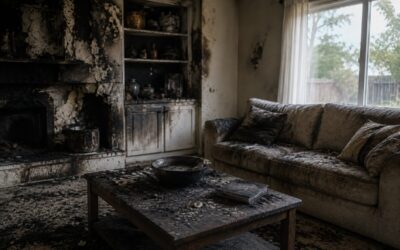
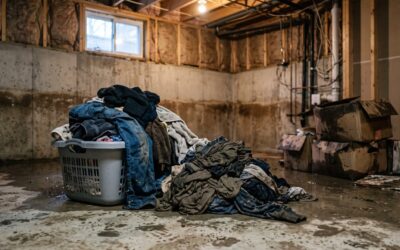
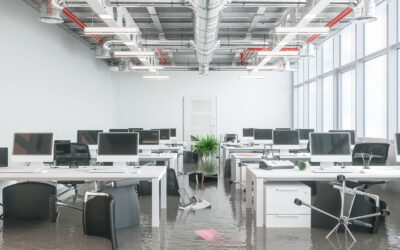
After a fire or water loss, your belongings usually go on a journey of their own. A contents restoration team photographs and packs them out, moves them to a secure facility, sorts them into what can be restored and what cannot, cleans and deodorizes each item with the right method, stores them while your home is repaired and then brings them back and puts them where they belong. Items that cannot be saved are documented and valued for your insurance claim.
Knowing what happens at each step makes a stressful time a little easier. This guide follows your belongings from the first hours after the loss to the day they come home, and explains what is different after a fire and after a flood.
Key Takeaways
- Belongings are photographed and packed out so repairs can start and damage stops spreading.
- Each item is sorted into restorable or non-restorable.
- Restorable items are cleaned with the method that suits them, then deodorized.
- Items that cannot be saved are documented and valued for your claim.
- Everything is stored and tracked until your home is ready, then returned.
Table of Contents
- The first hours: protecting what is left
- Assessment: deciding what comes out
- Pack-out: every item photographed and labelled
- Restorable or non-restorable?
- Where your belongings go
- How each type of item is cleaned
- Art, heirlooms and collections
- Odour removal
- Fire loss vs. water loss: what is different
- What happens to items that cannot be saved
- Storage while your home is repaired
- Pack-back: coming home
- How long it all takes
- Who does what on your claim
- Questions to ask your contents company
- What you can do to help
- Frequently Asked Questions
The first hours: protecting what is left
Right after a fire or flood, the priority is safety and stopping further damage. Once the fire department or a plumber says the home is safe, your insurer is notified and a restoration contractor starts securing and drying the building. This is also when belongings are most at risk: soot keeps etching surfaces and water keeps soaking into porous materials.
If you can, photograph the damage before anything is moved, keep the furnace off after a fire and move dry belongings away from wet areas after a flood. Our guides to what to do after a house fire and what to do after a burst pipe cover the first steps in detail.
Assessment: deciding what comes out
A contents specialist walks through the property with you, and often with your adjuster, to see how far the damage reached. Smoke travels into rooms the fire never touched, and water travels under floors and into storage areas. The assessment decides which rooms need a full pack-out, which belongings can be cleaned on site, and which items need special handling, such as electronics, artwork, documents and heirlooms.
Pack-out: every item photographed and labelled
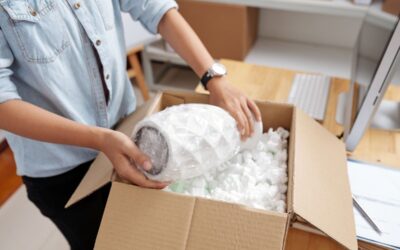
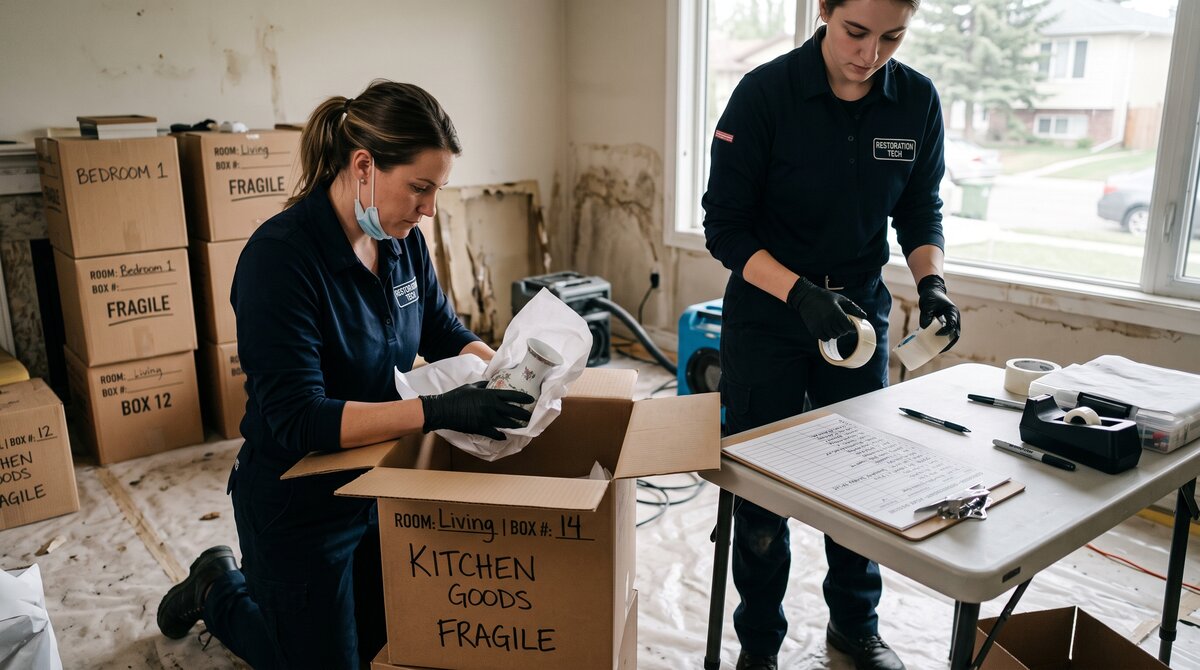
During a contents pack-out, belongings are photographed, labelled by room and packed with the right materials before they leave the house. That photo inventory becomes the record you and your adjuster work from, and it is how each item is tracked through every later step.
Pack-out also clears the way for the repair crew. Drying, demolition and rebuilding go faster when rooms are empty, and your belongings are protected from construction dust.
Restorable or non-restorable?
Each item is assessed for whether it can be restored to its pre-loss condition for less than it would cost to replace. Hard goods, electronics with smoke-only exposure, most clothing and many documents can be restored. Items that are burned, melted, structurally damaged or soaked with contaminated water often cannot.
Our guide to non-restorable items explains how those decisions are made.
Where your belongings go
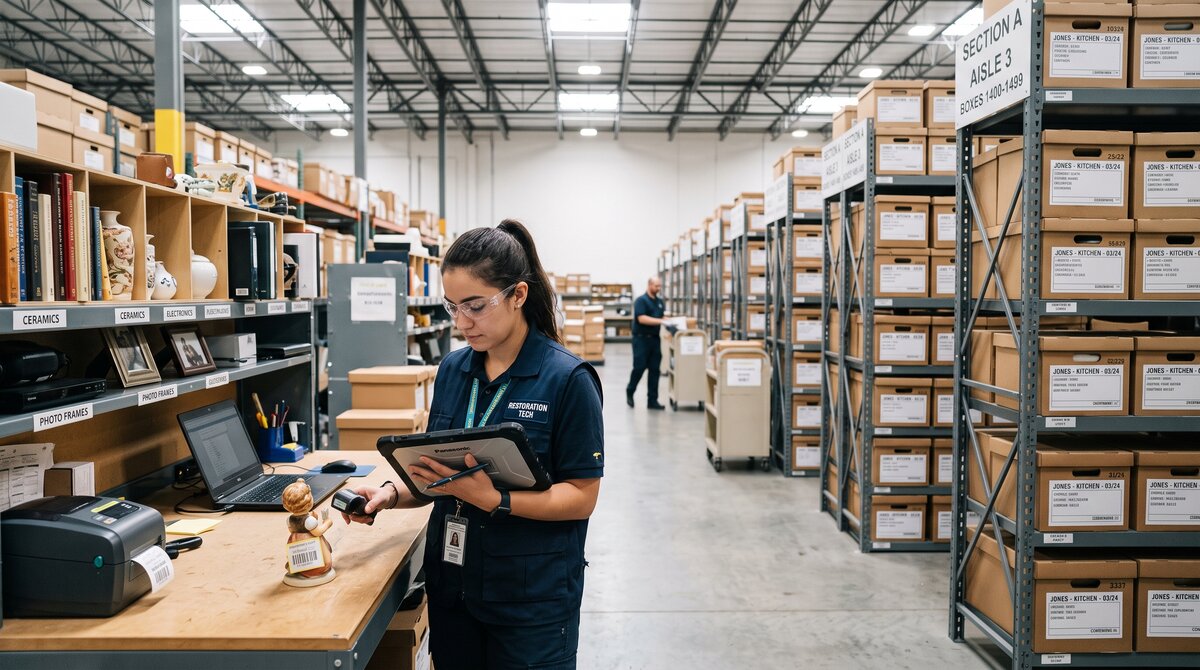
Packed belongings travel on our own trucks to our facility in northeast Calgary. There, they are unpacked by category so each one can go to the right cleaning process, and they stay tracked by inventory the whole time. Nothing is mixed with another family’s belongings.
How each type of item is cleaned
| Item | How it is usually cleaned |
|---|---|
| Dishes, glassware, metal and collectibles | Ultrasonic cleaning reaches residue in every crevice |
| Computers, TVs and appliances | Electronics restoration, cleaning and controlled drying |
| Clothing, bedding and linens | Restoration laundry with deodorizing |
| Suits, wool, silk and formal wear | Dry cleaning and odour treatment |
| Area rugs | Rug cleaning, rinsing and drying flat |
| Sofas, chairs and cushions | Upholstery cleaning matched to the fabric code |
| Documents, books and photos | Freezing and freeze-drying, then cleaning |
| Art, antiques and heirlooms | Careful hand cleaning by material |
Art, heirlooms and collections
Some belongings need more care than any standard process. Paintings, framed prints, antiques, collections and family heirlooms are packed separately, handled by people experienced with delicate items and cleaned by hand with methods chosen for each material. They are often the first things families ask about, and they get priority. See antique and heirloom restoration.
If something is especially valuable or irreplaceable, tell the pack-out crew on the first day so it is flagged on the inventory.
Odour removal
Once residue is cleaned off, any odour left behind is treated. After a fire, that is smoke odour in fabric, foam, paper and wood. After a water loss, it is usually a musty or sewage smell. Treatments include hydroxyl, ozone and fogging, chosen for the material and how strong the odour is. See smoke odour removal and ozone vs. hydroxyl vs. fogging.
Fire loss vs. water loss: what is different
| After a fire | After a water loss | |
|---|---|---|
| Main damage | Soot, smoke residue and odour | Swelling, staining, mould risk and contamination |
| Most urgent | Removing acidic soot before it etches surfaces | Drying items before mould starts |
| Hardest items | Porous items with heavy smoke odour | Porous items soaked with sewage or flood water |
| Special handling | Electronics, textiles, documents | Documents and photos, electronics, rugs |
| Odour | Smoke odour | Musty or sewage odour |
See fire and smoke damage restoration and water and flood damage restoration for each in more detail.
What happens to items that cannot be saved
Non-restorable items are not simply thrown away. Each one is photographed, described and listed with its age and condition, and our non-restorable contents valuation adds a researched replacement value, so your adjuster has a complete, priced list. Items are disposed of only after your adjuster agrees, and you can ask to keep anything with sentimental value.
Storage while your home is repaired
Cleaning usually finishes long before the repairs do. Restored belongings wait in climate-controlled storage, away from construction dust, moisture and temperature swings. Essentials can come back early if you need them.
Pack-back: coming home
When repairs are signed off, everything comes back on the same trucks. The crew unpacks and places items where they belong, using the inventory to make sure nothing is missing. See how pack-back services work.
How long it all takes
| Stage | Typical timing |
|---|---|
| Assessment | Same day to next day |
| Pack-out and photo inventory | One to several days |
| Cleaning and odour removal | Usually a few weeks |
| Storage | Until repairs are finished |
| Pack-back | One to a few days |
Our guide to how long contents restoration takes explains what speeds things up or slows them down.
Who does what on your claim
| Who | What they look after |
|---|---|
| You | Safety, essentials, telling the team what matters most, approving decisions |
| Your adjuster | Coverage, approving the scope, settling the claim |
| Restoration contractor | Securing, drying, cleaning and rebuilding the structure |
| Contents company | Your belongings: pack-out, inventory, cleaning, storage, valuation and pack-back |
See contents vs. structural restoration for how the two sides work together.
Questions to ask your contents company
- Will I get a copy of the photo inventory?
- Where will my belongings be stored, and is it climate-controlled?
- How do you decide what is non-restorable?
- Can essentials come back early?
- Who do I call with questions during the job?
What you can do to help
- Keep medication, documents, chargers and daily essentials with you
- Point out heirlooms, valuables and anything with special meaning
- Do not throw anything out before it is photographed
- Keep receipts for anything you buy while you are out of your home
- Tell your contents team what you need back first
Our process page shows how a contents job works from first call to pack-back.
Frequently Asked Questions
Where do my belongings go after a pack-out?
To a secure contents facility. At Calgary Contents, that is our facility in northeast Calgary, where items are cleaned and kept in climate-controlled storage until your home is ready.
Will I know where each item is?
Yes. Every item is photographed and recorded at pack-out, so it can be tracked through cleaning, storage and pack-back. You and your adjuster get a copy of the inventory.
Can I get some things back before my home is repaired?
Usually. Clothing, children’s items and other essentials can be cleaned first and returned early. Tell the pack-out crew what you need most.
What happens to belongings that cannot be saved?
They are photographed, described and listed as non-restorable, with a researched replacement value through our contents valuation service. Nothing is thrown away until your adjuster agrees.
How long will my belongings be gone?
Cleaning usually takes a few weeks, but belongings stay in storage until repairs are finished. On a large fire loss, that can be several months.
Is any of this covered by insurance?
When the loss is covered, pack-out, cleaning, storage, pack-back and replacement of non-restorable items are usually part of the contents claim, apart from your deductible. See does insurance cover pack-out in Alberta.
Is the process different after a water loss?
The steps are the same, but drying and contamination matter more. Items soaked by sewage or flood water need decontamination, and some porous items cannot be made safe.
Dealing with a fire or water loss? We look after your belongings from pack-out to pack-back and keep your adjuster informed. Call (403) 407-0208 any time, or contact us online.