
Services
Fire and Smoke Damage Restoration for Belongings in Calgary
We pack out, clean, deodorize and store everything smoke and soot reached, from furniture and clothing to electronics and keepsakes, while your contractor repairs the house.
What We Take Off Your Plate After a Fire
After a fire you are dealing with an adjuster, a displaced family and a house you may not be able to live in. Your belongings should not be one more thing to manage.
Calgary Contents handles the contents side from start to finish: hard goods go through ultrasonic cleaning, powered items through electronics restoration, and smoke odour is removed with hydroxyl technology and fogging as part of our deodorization and decontamination service.
Here is what we handle for you:
We pack out and protect your contents
Our contents pack-out service moves your belongings out of the damaged property so smoke and soot stop doing further harm.
We document everything for your claim
Our photo inventory lists your items two ways, cleaned and non-restorable.
We work with your adjuster
We provide the inventory and lists your insurer needs, which means less paperwork on your end.
We clean and deodorize
Ultrasonics, electronics restoration, hydroxyl and fogging.
We store your belongings and bring them home
Secure, climate-controlled storage until your home is ready, then pack-back.
How Smoke and Soot Damage Your Belongings
Smoke travels far beyond the room where a fire starts. It settles as soot on every surface it reaches and works its way into fabric, foam, paper and wood. Soot is acidic, so it keeps etching metal, plastics and finishes the longer it sits, and smoke residue keeps releasing odour for months if it is not removed.
Different fires leave different residue. Fast, hot fires leave dry, powdery soot. Slow, smouldering fires and burning plastics leave sticky, oily soot that smears when it is wiped. Kitchen fires leave an almost invisible protein film with a strong odour. Each needs its own cleaning method, which is why we assess before we clean. Our guide to what can and can’t be saved after smoke damage explains the four types of soot.
Smoke damage to belongings often shows up as:
Black or grey film on hard surfaces
Yellowing on plastics and finishes
Tarnished or pitted metal
Smoke odour in clothing, bedding and furniture
Soot inside electronics and appliances
Odour that returns on warm or humid days
What Can Be Saved After Fire and Smoke Damage?
More than most people expect. Smoke and soot travel far beyond the room where the fire started, but residue on the surface of an item is very different from an item that has burned. Time matters, because soot is acidic and keeps etching surfaces the longer it sits. Avoid wiping or washing items yourself, which can set the residue.
For a room-by-room breakdown, see what can and cannot be saved after smoke damage and our guide on what to do after a house fire.
Contents we regularly restore after fire and smoke:
Furniture and art
Appliances and electronics
China, crystal and silver
Tools and metal items
Toys and keepsakes
Saddles, sports gear and collectibles
Our Fire and Smoke Damage Restoration Process
- Emergency call. Call 403-407-0208 any time. We ask what happened and who your insurer and adjuster are.
- Assessment. We walk the property, check how far smoke and soot reached and agree on the scope with you and your adjuster.
- Pack-out and photo inventory. Items are photographed, labelled and packed room by room, then moved to our facility in northeast Calgary. See contents pack-out.
- Cleaning. Each item gets the method that suits it: ultrasonic cleaning for hard goods, electronics restoration, textile cleaning with our partners, document drying and hand cleaning for art and antiques.
- Odour removal. Once soot is off, remaining smoke odour is treated with hydroxyl, ozone or fogging.
- Non-restorable items. Anything that cannot be saved is photographed and documented for your claim.
- Storage and pack-back. Restored items wait in climate-controlled storage, then come home once repairs are done.
What to Do in the First 48 Hours After a Fire
What happens in the first two days decides a lot of what can be saved. Soot keeps working on surfaces, and well-meant cleaning can set residue for good. Safety comes first: only go back in when the fire department says it is safe.
Our guide to what to do after a house fire walks through the first hour, the first two days and your insurance paperwork.
In the first 48 hours:
Photograph the damage before anything is moved
Keep the furnace and air conditioning off
Do not wipe soot or wash smoky clothes
Do not switch on electronics that were near the fire
Throw out food, medication and cosmetics exposed to smoke
Call your insurer, then a contents restoration company
Smoke Odour Removal for Your Belongings
Smoke smell lives in the residue, not the air. That is why air fresheners and airing out rarely work, and why the smell comes back when the weather warms up. Once soot is cleaned off, the odour left in fabric, foam, paper and wood is treated at our facility with hydroxyl generators, ozone or fogging, depending on the material and how strong the smell is.
We are the only Alberta approved, trained and certified applicator of the TOMI SteraMist™ system, and we also use the Halo system for disinfection fogging. See smoke odour and soot removal and our comparison of ozone, hydroxyl and fogging.
We deodorize:
Clothing, bedding and linens
Upholstered furniture and cushions
Books, papers and photographs
Electronics and appliances
Hard goods and keepsakes
We Work Alongside Your Restoration Contractor
Calgary Contents is a contents specialist. Your restoration contractor secures, cleans and rebuilds the structure; we look after everything inside it, on the same claim and the same schedule. Contents usually come out first so the crew can start demolition, and they come back once the repairs are signed off. See contents vs. structural restoration and how we work with contractors.
Surgical-grade ultrasonic cleaners
Electronic Drying Chamber
Hydroxyl and fogging deodorization
Photo inventory for your insurer
24/7 emergency response
Fire or Smoke Damage in Calgary?
Leave items as they are and call 403-407-0208, or request a quote online. See real before and after results below.
Fire Damage, Your Insurance Claim and the Paperwork
On a covered fire claim, the contents side is usually part of your home insurance: pack-out, cleaning, deodorizing, storage, pack-back and replacement of anything that cannot be restored, apart from your deductible. Your adjuster needs to see what was damaged, what can be saved and what it will cost, and that is exactly what our documentation shows.
Keep receipts for anything you buy while you are out of your home, and ask your adjuster about additional living expenses. Our guide to filing a contents insurance claim in Alberta covers the steps, and adjusters can see how we work with insurers.
What we give you and your adjuster:
Item-by-item photo inventory
Pack-out list by room
Cleaned and non-restorable lists
A written scope before work starts
One contact for questions
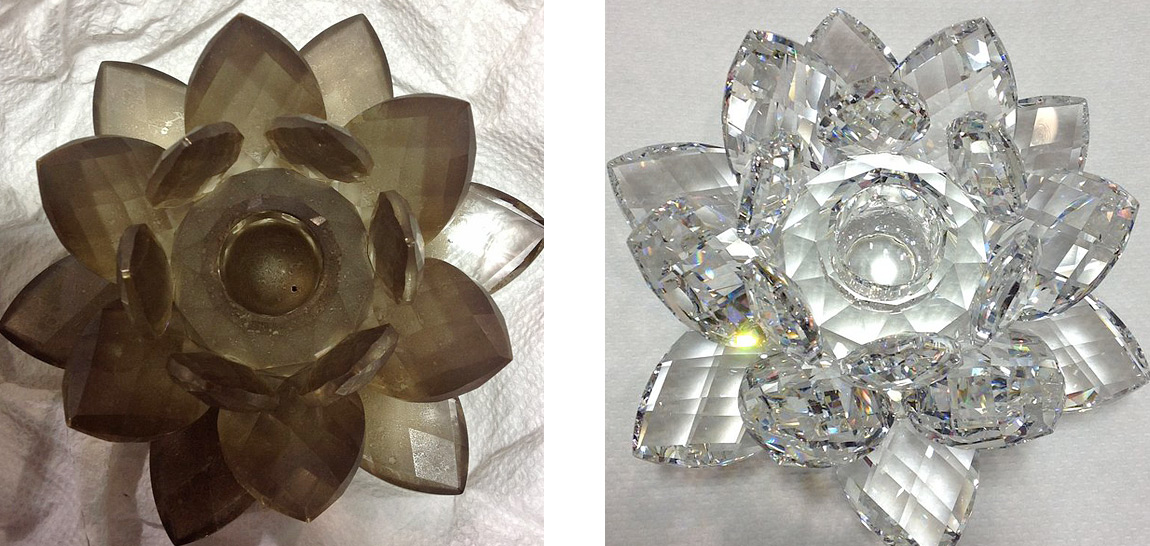
Crystal Restoration
Crystal before and after fire/smoke damage.
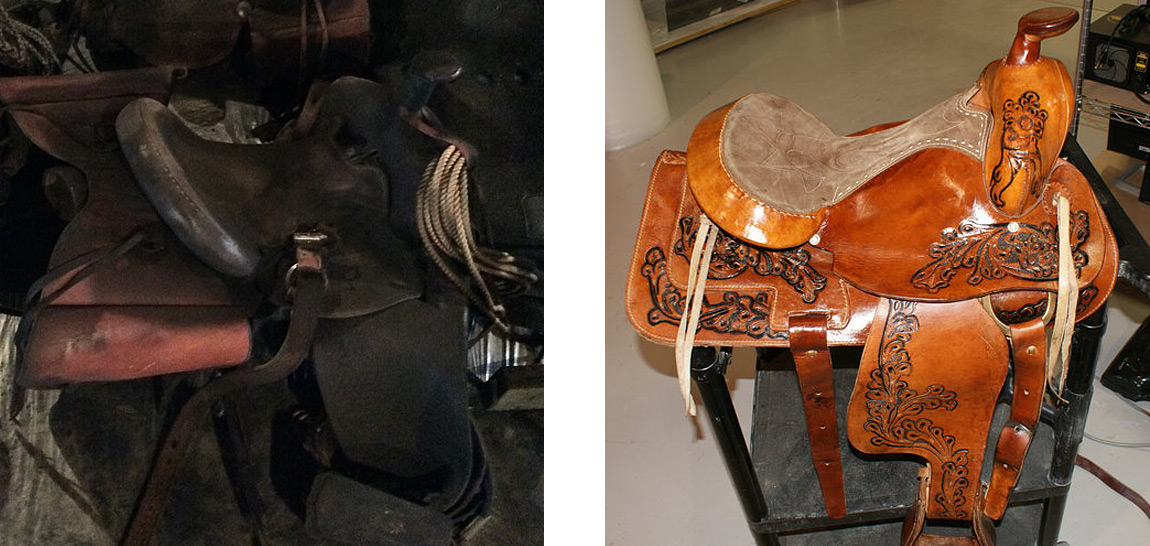
Saddle Restoration
Saddle before and after fire/smoke damage.
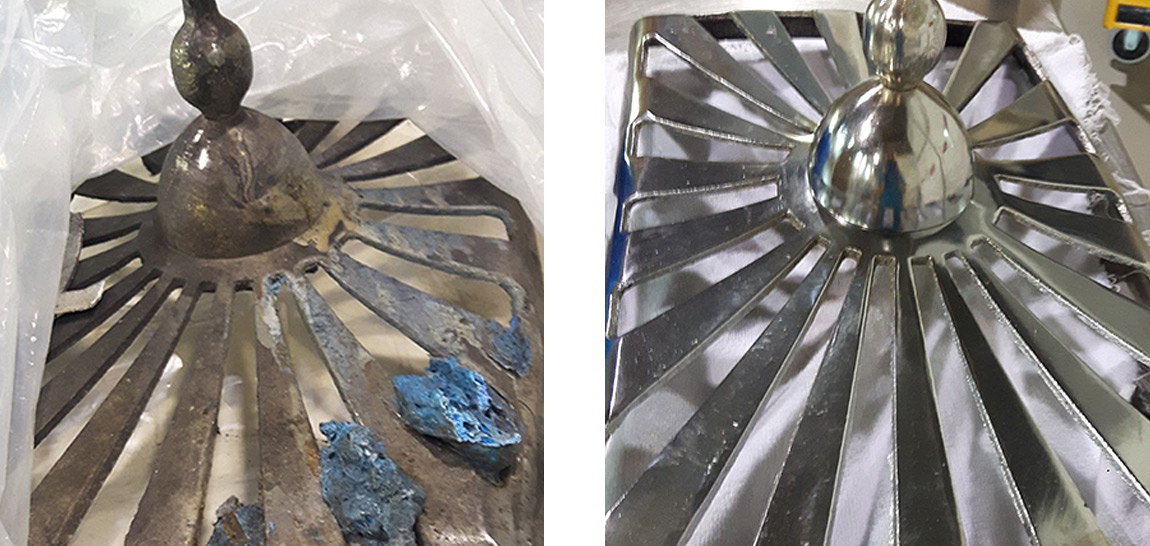
Metal Rims Restoration
Metal rims before and after fire/smoke damage.
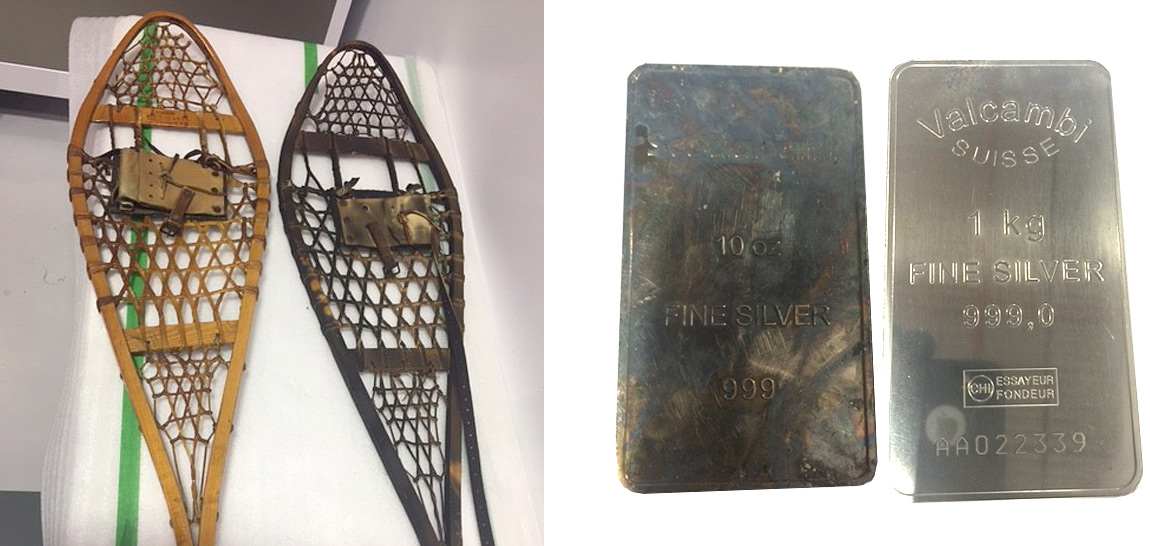
Snowshoes & Silver Restoration
Snowshoes and silver before and after fire/smoke damage.
FAQ – Fire and Smoke Damaged Contents
Can smoke damaged belongings really be restored?
In many cases, yes. Items with smoke residue and odour, as opposed to items that actually burned, can usually be cleaned and deodorized. Hard goods are restored with ultrasonic cleaning, electronics through our electronics restoration process, and odours are treated with hydroxyl technology and fogging.
Do you repair fire damage to the house itself?
No. Calgary Contents restores the belongings inside the property. A general restoration contractor handles structural repairs to the building.
Will you deal with my insurance adjuster?
Yes. We provide your adjuster with the photo inventory, pack-out list and the cleaned and non-restorable lists they need, which reduces the paperwork you have to handle.
What happens to items that cannot be cleaned?
Items that do not respond to cleaning are placed on a non-restorable list in your inventory, with photos, so they can be included in your insurance claim.
Should I try to clean soot off my belongings myself?
It is best not to. Wiping or washing can push soot deeper and set the residue. Leave items as they are and call us on 403-407-0208.
How long does fire damage restoration take for belongings?
Cleaning usually takes a few weeks, depending on the volume and the type of soot. Belongings stay in climate-controlled storage until repairs are finished, then come back in one pack-back. See how long contents restoration takes.
Can smoke smell be removed from clothes and furniture?
Usually. Soot is cleaned off first, then odour is treated with hydroxyl, ozone or fogging. Clothing and linens are cleaned with our textile restoration partners.
Is fire damage restoration covered by insurance?
When the fire is covered, pack-out, cleaning, deodorizing, storage and pack-back of your belongings are usually part of the contents claim, apart from your deductible. See does insurance cover pack-out in Alberta.
Do you handle smoke from a neighbouring fire or wildfire smoke?
Yes. Smoke from a neighbouring unit or a wildfire can reach belongings far from the flames, and we clean and deodorize them the same way. See wildfire smoke damage to belongings.
Related Services and Guides
More on how we restore belongings after a loss.
Talk to a Contents Specialist
Tell us what happened and what was damaged. We will explain what can be saved and what happens next. Call 403-407-0208, 24/7.