
Blog
Want to learn more? Check out our articles below.

How to Remove Cigarette Smoke Smell From a Home and Belongings
Cigarette smoke smell lingers because it is not just a smell. Smoke leaves a sticky residue of tar and nicotine on walls, ceilings, fabric and belongings, and that residue keeps releasing odour for months or years. Removing it means cleaning the residue off every...
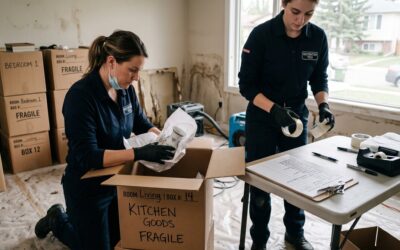
What Happens to Your Belongings After a Fire or Water Loss?
After a fire or water loss, your belongings usually go on a journey of their own. A contents restoration team photographs and packs them out, moves them to a secure facility, sorts them into what can be restored and what cannot, cleans and deodorizes each item with...
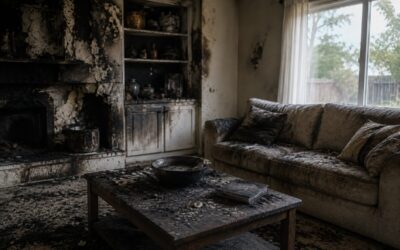
5 Things You Should Not Throw Away After a Fire
After a fire, the urge to clear out everything that smells of smoke is strong. Wait. Five kinds of belongings are often saved by professional cleaning even when they look ruined: photographs and documents, electronics, clothing and textiles, dishes and keepsakes, and...
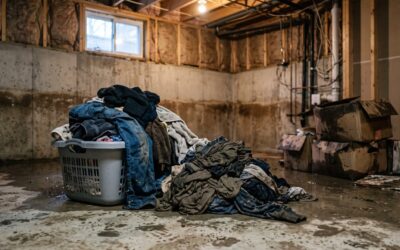
What to Do With Flood Damaged Clothes: A Calgary Guide
Most washable clothing can be saved after a flood if you act within 48 hours. Here is how to sort, wash and disinfect flood damaged clothes, and what to throw away.
How Much Does Contents Restoration Cost in Calgary?
The cost of contents restoration in Calgary depends mostly on how much needs to be moved, what it is made of, what damaged it and how long your repairs will take. A single room of hard goods after a small fire is a very different job from a full house of furniture,...
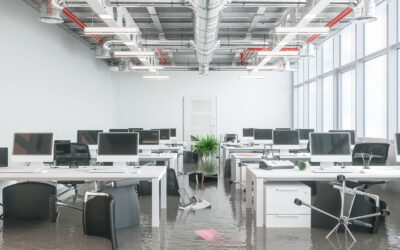
Sewer Backup in Calgary: Which Basement Belongings Can Be Saved?
After a sewer backup, hard, non-porous belongings such as dishes, metal, glass, hard plastics and many sealed electronics can usually be cleaned and disinfected. Porous items that soaked up the water, such as mattresses, upholstered furniture, carpet, cardboard and...
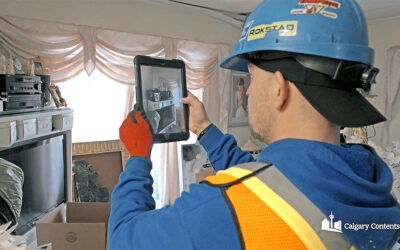
Home Contents Inventory Checklist for Alberta Homeowners (Free Template)
A home contents inventory is a list, with photos, of what you own and roughly what it is worth. After a fire, flood or break-in, it is the fastest way to show your insurer what was lost, and it saves you from rebuilding a list from memory at the worst possible time....
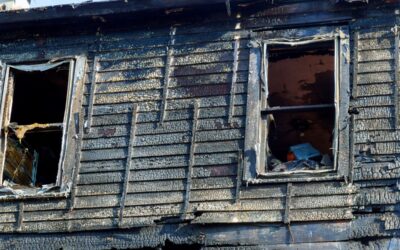
Contents Restoration vs. Structural Restoration: Who Does What After a Fire or Flood?
After a fire or flood, two kinds of restoration happen at once. A structural restoration contractor repairs the building: drying, demolition and rebuilding. A contents restoration company looks after everything inside it: packing out, cleaning, restoring, storing and...

Does Home Insurance Cover Pack-Out, Contents Cleaning and Storage in Alberta?
Usually, yes. When damage to your home comes from a covered loss, such as a fire or a burst pipe, packing out, cleaning, deodorizing and storing your belongings, and returning them afterwards, are typically part of the contents portion of your home insurance claim in...
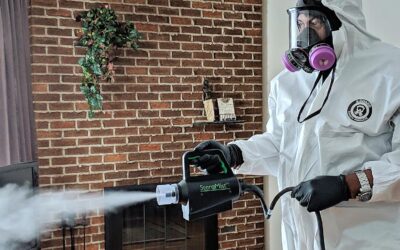
Ozone vs. Hydroxyl vs. Fogging: Which Odour Treatment Is Right?
Ozone works fastest on heavy odour but needs the space empty. Hydroxyl is slower and gentler and can run while people are home. Fogging delivers a deodorizing or disinfecting mist into every corner the smoke reached. On most professional jobs, the answer is not one...
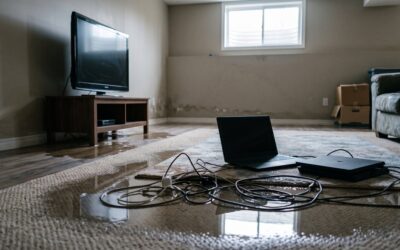
Water Damaged Electronics: What to Do First (Calgary Guide)
The first hour decides whether a wet laptop, TV or console can be saved. Here is what to do, what never to do, and how restoration and insurance work in Calgary.
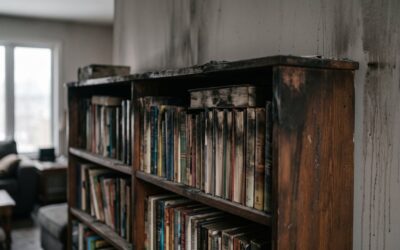
How to Get Smoke Smell Out of Books: A Calgary Restoration Guide
Smoke odour hides inside the paper, not just on the cover. Here is how to sort smoke-damaged books, remove soot and odour safely at home, and when professional deodorization is worth it.