Usually, yes. When damage to your home comes from a covered loss, such as a fire or a burst pipe, packing out, cleaning, deodorizing and storing your belongings, and returning them afterwards, are typically part of the contents portion of your home insurance claim in Alberta. Restoring an item is often cheaper than replacing it, which is why insurers generally prefer restoration where it works.
Where people get caught out is the cause of the loss. Sewer backup and overland flood are usually separate coverages, and gradual leaks are often excluded. This guide explains what is normally covered, what may not be, and what to ask your adjuster before your belongings leave the house.
Key Takeaways
- Pack-out, cleaning, storage and pack-back are usually covered when the loss itself is covered.
- Sewer backup and overland flood usually need their own coverage on an Alberta home policy.
- Insurers generally prefer restoring items when it costs less than replacing them.
- Items that cannot be restored are documented and claimed for replacement.
- Ask your adjuster early how the contents side will be handled and paid.
Table of Contents
- What “contents” means in your policy
- What’s usually covered
- What may not be covered
- Additional Living Expenses vs. contents coverage
- Special limits and high-value items
- How restore-or-replace decisions are made
- Actual cash value vs. replacement cost
- Documentation that speeds up approval
- The contents side of a claim, step by step
- When to call a contents company
- If you rent: tenant insurance and your belongings
- Business contents claims
- What to ask your adjuster
- How we help with the contents side of your claim
- Frequently Asked Questions
What “contents” means in your policy
Home insurance in Canada separates the building from what is inside it. The personal property or contents section of your policy covers furniture, clothing, electronics, appliances that are not built in, dishes, documents and personal items. Contents restoration work falls under that section because it exists to repair or replace those belongings.
Your policy also sets limits, a deductible and, often, special limits for categories such as jewellery, collectibles or cash. Those limits apply to replacement, so it pays to know them before items are written off.
What’s usually covered
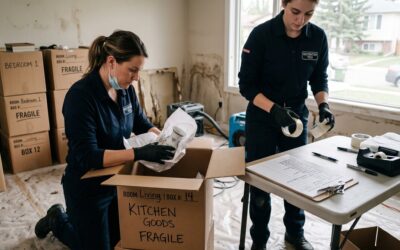
- Emergency pack-out to move belongings away from further damage
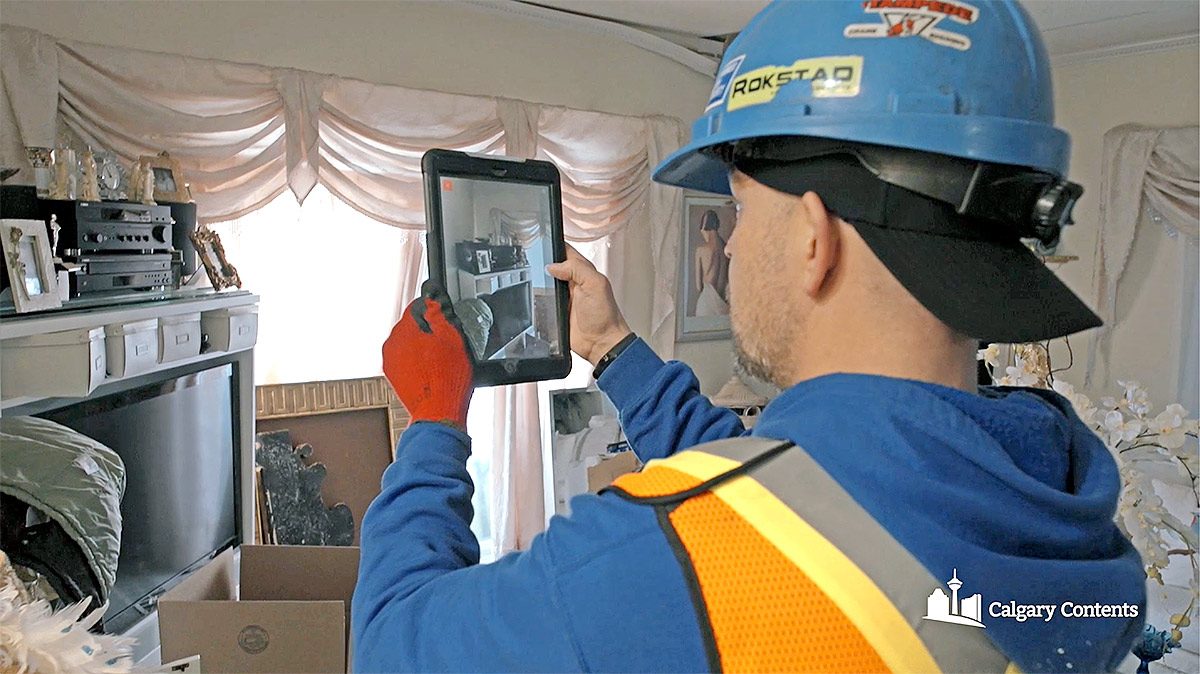
- Photo inventory and documentation of every item
- Cleaning and restoration where it costs less than replacement
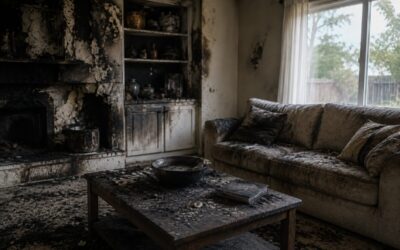
- Odour removal after smoke or water damage
- Storage of restored items while the home is repaired
- Pack-back and placement once the home is ready
- Replacement of non-restorable items, subject to your limits and deductible
Our contents restoration process shows each of these steps in order.
What may not be covered
Coverage depends on the cause. These are the situations where Alberta homeowners most often find gaps:
| Cause of the loss | Typical coverage |
|---|---|
| House fire or kitchen fire | Usually covered |
| Sudden burst pipe or appliance leak | Usually covered |
| Sewer backup | Usually only with a sewer backup endorsement |
| Overland flood from rivers or heavy rain | Usually only with optional overland flood coverage |
| Wildfire smoke | Often covered; check your policy wording |
| Long-term leaks, maintenance issues or mould from them | Often excluded |
This is general information, not advice about your policy. Your policy wording and your adjuster have the final say.
Additional Living Expenses vs. contents coverage
Two parts of a home policy often get confused after a loss. Contents coverage pays to clean, restore or replace your belongings. Additional Living Expenses (ALE) pays for the extra cost of living somewhere else while your home is repaired: a hotel or rental, meals beyond your normal grocery budget, and similar costs.
Storage of restored belongings during repairs is normally handled on the contents side of the claim. Ask your adjuster how both apply to your situation, and keep every receipt for living expenses.
Special limits and high-value items
Most policies set lower limits for certain categories, such as jewellery, watches, furs, collectibles, cash and some electronics, unless those items were listed separately on the policy. If a high-value item cannot be restored, the special limit can cap what you receive for it.
- Check your policy for special limits before items are written off
- Restoring a high-value item may be worth more to you than a capped payout
- Appraisals, receipts and photos help support the value of collectibles and jewellery
- Ask your broker about listing valuable items separately in future
How restore-or-replace decisions are made
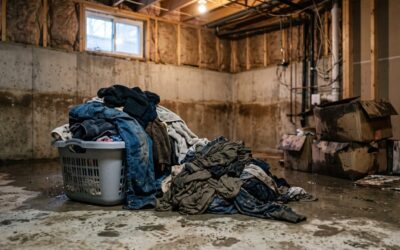
For each item, the question is whether it can be restored to its pre-loss condition for less than it would cost to replace. Hard goods, electronics and many textiles usually can. Items that are burned, melted, structurally damaged or soaked with contaminated water often cannot.
Items that cannot be saved go on a non-restorable list with photos and descriptions, so they can be valued on the claim. Our guide to non-restorable items explains how that decision is made, and restoration vs. replacement covers the trade-offs.
Actual cash value vs. replacement cost
When non-restorable items are replaced, the payout depends on how your policy values them. Replacement cost coverage pays what it costs to buy a similar new item, often once you actually replace it. Actual cash value pays the item’s value at the time of the loss, which takes depreciation into account. The difference can be large for older furniture, electronics and clothing.
| Replacement cost | Actual cash value | |
|---|---|---|
| What it pays | Cost of a similar new item | Value at the time of loss, after depreciation |
| Typical condition | Often paid once the item is replaced | Paid without replacing |
| Effect on older items | Higher payout | Lower payout |
Restoration avoids the question entirely for items that can be saved, which is one reason it often works out better for policyholders.
Documentation that speeds up approval
Contents claims slow down when the insurer cannot see what was damaged or why an item cannot be saved. These records keep things moving:
- Photos and video of the damage before anything is moved
- A photo inventory of every item, with its condition
- A non-restorable list with photos and descriptions
- Receipts, order histories or appraisals for higher-value items
- Your own home contents inventory, if you made one
The contents side of a claim, step by step
- Report the loss to your insurer or broker and get a claim number
- Take photos and video of the damage before anything is moved
- The adjuster reviews the loss and confirms coverage
- The contents company assesses the belongings and prepares a scope
- Pack-out and photo inventory, with items sorted into restorable and non-restorable
- Cleaning, deodorizing and storage while repairs happen
- Non-restorable items are valued and settled under your policy
- Pack-back once the home is ready
When to call a contents company
As early as possible, ideally the same day you report the loss. Soot, smoke residue and water keep damaging belongings every day they sit, and items that could have been cleaned in the first week may be non-restorable a month later. An early pack-out also protects belongings from demolition dust and gives your adjuster documentation from the start.
If you rent: tenant insurance and your belongings
If you rent, your landlord’s policy covers the building, not your belongings. Your own tenant insurance is what pays to pack out, clean, store and replace your contents after a covered loss, even when the fire or leak started in another unit. Without tenant insurance, you would normally pay for contents work yourself.
Landlords and property managers can see how we handle contents in commercial and multi-unit buildings.
Business contents claims
Businesses usually have commercial property coverage for contents such as inventory, furniture, equipment and records, sometimes with business interruption coverage for lost income while the space is repaired. The same restore-or-replace logic applies: restoring equipment and records is often faster than replacing them, which shortens the time a business is closed. See commercial contents restoration.
What to ask your adjuster
- Is the contents side of my claim approved, and who is handling it?
- Will the contents company be paid by the insurer for approved work?
- How long is storage covered while repairs happen?
- What limits apply to jewellery, collectibles or electronics?
- Do I need to keep non-restorable items until you have seen them?
- Is Additional Living Expenses coverage available while I am out of the home?
How we help with the contents side of your claim
Calgary Contents works directly with your adjuster. Every item is photographed at pack-out, sorted into restorable and non-restorable, and tracked through cleaning, storage and pack-back, so the documentation your insurer needs is ready when they need it. Adjusters can see how we work with insurers.
If you are still working out what to do first, our guide to filing a contents insurance claim in Alberta walks through the paperwork.
Frequently Asked Questions
Do I have to pay a deductible?
Yes. Your policy deductible applies to the claim, usually once per loss. The rest of the covered contents work, including pack-out, cleaning and storage, is handled under the claim.
Can a pack-out start before the adjuster visits?
Emergency steps to protect your belongings from further damage are generally expected, and most policies require you to take reasonable steps to prevent more loss. Document everything with photos and tell your insurer what was done.
Is storage covered if repairs take months?
Storage is usually covered for as long as the covered repairs take. Ask your adjuster whether your policy sets any limits.
Does insurance pay for ultrasonic cleaning?
When it is the right way to restore covered items, usually yes, because restoring is often cheaper than replacing. See what ultrasonic cleaning costs in Calgary.
What if my claim is denied?
Ask your insurer for the reason in writing and which policy wording it relies on. You can ask for a review, and you can contact the General Insurance OmbudService for help with an unresolved complaint.
Does tenant insurance cover pack-out?
Usually, yes. If you rent, your tenant insurance covers your belongings, including pack-out, cleaning and storage after a covered loss. Your landlord’s policy covers the building only.
Who chooses the contents company, me or the insurer?
Your insurer or adjuster may recommend one, and in most cases you can also ask for a company you prefer. Raise it early so everyone is working from the same plan.
Do I get a copy of the photo inventory?
You should. Ask for it. At Calgary Contents, the photo inventory is shared with you and your adjuster.
Questions about your belongings and your claim? We will tell you what can be saved and how the contents side usually works. Call (403) 407-0208 or contact us online.