Table of Contents
- Introduction
- What Makes an Item Non-Restorable?
- How the Type of Damage Affects Restorability
- Common Non-Restorable Items by Type of Loss
- Common Non-Restorable Items Explained
- Items That Seem Non-Restorable But Can Be Saved
- The Calgary Contents Assessment Process
- What Happens to Non-Restorable Items
- Why Identifying Non-Restorable Items Matters
- How Calgary Contents Helps Reduce Loss
- Frequently Asked Questions
- Conclusion
Introduction
When you experience a fire, flood, storm, or mould outbreak, your first instinct is to save as much as possible. But the truth is, not every item can—or should—be restored. Some are unsafe. Some are structurally compromised. Some are contaminated beyond recovery.
As the trusted name in Southern Alberta for contents restoration, odour removal, decontamination, and deodorization, Calgary Contents helps property owners understand what can be saved and what must be classified as non-restorable.
This guide explains exactly what “non-restorable” means, what factors into that decision, and how contents professionals evaluate your belongings during the pack-out process.
What Makes an Item Non-Restorable?
An item is considered non-restorable when:
- It cannot safely be cleaned, sanitized, or deodorized
- It poses a health risk if kept
- Restoration costs exceed replacement value
- The structural integrity of the item has been compromised
- Cleaning would damage the item further
- The item has absorbed harmful contaminants
The goal of contents restoration is to salvage as much as possible, especially sentimental or irreplaceable items. But part of doing the job responsibly is identifying what cannot be recovered.
How the Type of Damage Affects Restorability
Different disasters create different levels of contamination and structural damage.
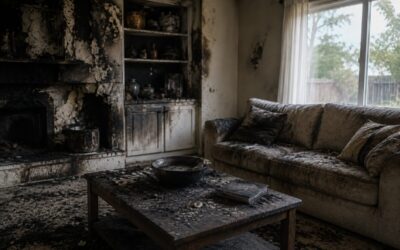
Fire & Smoke Damage
Smoke contains:
- Soot
- Toxic chemicals
- Acidic residues
- Odorous compounds
Porous materials can absorb these permanently. Items burned, melted, or structurally weakened are automatically non-restorable.
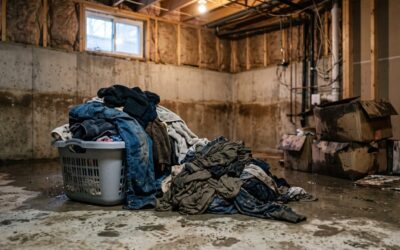
Water & Flood Damage
Water damage becomes severe when:
- Items remain wet for too long
- Flood water carries sewage or chemicals
- Fabrics or wood swell, warp, or rot
Category 3 (black water) contamination automatically makes many items non-restorable.
Mould Contamination
Mould spreads through spores that embed deeply in porous surfaces. If an item cannot be safely decontaminated, it must be discarded.
Biohazard Exposure
This includes:
- Sewage backflow
- Bodily fluids
- Hazardous chemicals
- Animal waste contamination
In these cases, restoration becomes unsafe and often prohibited by health standards.
Common Non-Restorable Items by Type of Loss
What can be saved depends as much on the type of loss as on the item itself. These are typical outcomes; every item is still assessed on its own.
| Type of loss | Often non-restorable | Often restorable |
|---|---|---|
| Fire and smoke | Melted or charred items, food, medication and cosmetics, heat-damaged plastics, heavily sooted mattresses | Dishes, glass and metal, most clothing, electronics with smoke-only exposure, wood furniture, framed art |
| Clean water | Swollen particleboard furniture, wet cardboard and paper goods left for days, soaked mattresses | Most clothing and linens, solid wood furniture, hard goods, documents frozen quickly |
| Sewer backup or flood | Mattresses, upholstered furniture, carpet and underpad, plush toys, cardboard, food | Hard goods with disinfection, washable clothing with sanitizing laundry, some photos and documents |
| Mould | Porous items with mould deep inside, such as mattresses, upholstery foam and cardboard | Hard surfaces, finished wood and many textiles with specialized cleaning |
For more detail, see what can and can’t be saved after smoke damage, mould on belongings after water damage and water and flood damaged belongings.
Common Non-Restorable Items Explained
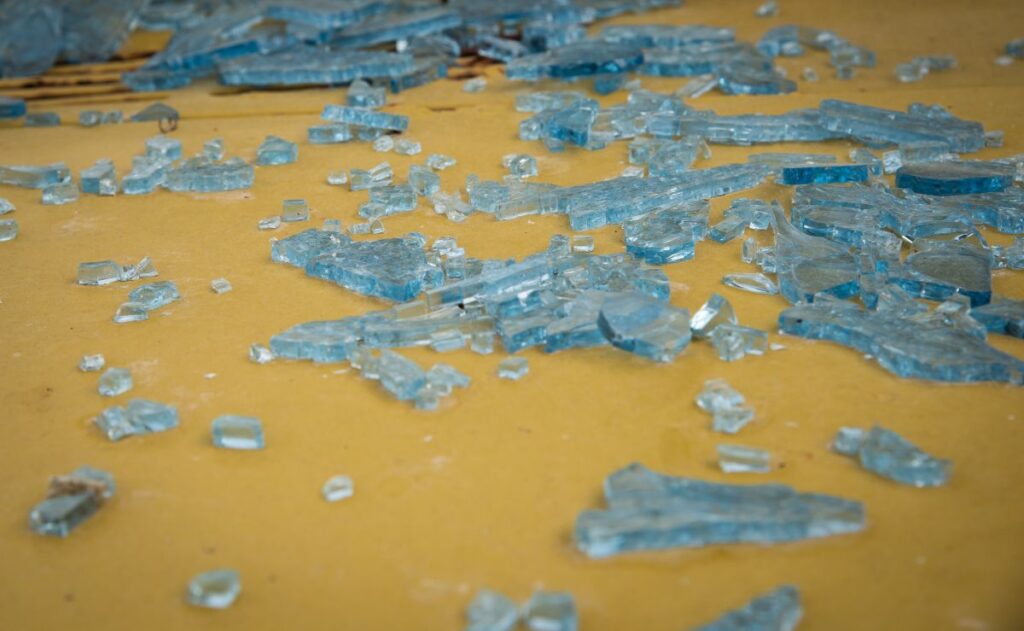
Below are items that professional restorers frequently classify as non-restorable due to safety or cost reasons.
Food & Consumables
Includes:
- Refrigerated foods
- Dry pantry goods
- Open containers
- Medicine
- Vitamins
- Pet food
- Spices
Smoke, soot, mould, and chemicals easily penetrate packaging.
Children’s Items
Due to health regulations, these are often unsafe to restore:
- Plush toys
- Cribs
- Baby bottles
- Car seats
- Soft books
Kids are more vulnerable to contamination.
Damaged Electronics
Electronics that are:
- Melted
- Cracked
- Flooded
- Burned internally
- Short-circuited
Restoring them may cause future electrical hazards.
Porous Furniture & Fabrics
Items soaked with smoke, mould spores, or contaminated flood water:
- Mattresses
- Pillows
- Couches with foam interiors
- Cushions
- Certain rugs
Some can be restored—but many cannot due to contamination depth.
Low-Value, High-Contamination Objects
Example:
- Plastic utensils
- Small décor
- Cheap toys
- Pressboard furniture
- Mass-produced items with low replacement cost
If it costs more to clean than replace, insurance classifies it as non-restorable.
Charred or Melted Items
Once an item is burned:
- The structure is compromised
- Odour cannot be removed
- Safety becomes a concern
These items must be cataloged and discarded.
Items That Seem Non-Restorable But Can Be Saved
Calgary Contents often restores items that homeowners assumed were ruined, such as:
- Heirloom jewelry
- Photos and documents (freeze-drying)
- Hardwood furniture
- Ceramics and glassware
- Artwork
- High-value electronics
- Metal collectibles
- Books (specialized drying and deodorizing)
Restoration potential depends on material, damage level, contamination type, and insurance coverage.
The Calgary Contents Assessment Process
Here is how our experts determine what can and cannot be restored.
Photo Inventory
Every item is documented for:
- Insurance
- Condition reporting
- Restoration tracking
- Client transparency
This ensures nothing is lost or overlooked.
Moisture & Contamination Testing
We use:
- Moisture meters
- ATP testing
- Odour sensing
- Surface contamination swabs
This determines whether mould, bacteria, or smoke particles have penetrated beyond safe levels.
Cost-to-Restore vs Replacement Analysis
If restoring an item costs more than replacing it, insurance typically deems it non-restorable.
Insurance Collaboration
Calgary Contents works closely with adjusters to:
- Validate salvageability
- Provide documentation
- Support claims
- Ensure accurate non-restorable item lists
This helps homeowners receive fair compensation.
What Happens to Non-Restorable Items
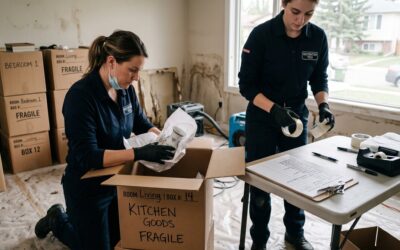
Non-restorable items are not simply thrown away. Each one is documented so it can be valued and replaced on your claim.
- Photographed and described at pack-out, with its condition noted
- Listed on a non-restorable report, separate from items that were cleaned
- Reviewed by your adjuster
- Disposed of only once your adjuster agrees
- Kept, if you ask and your adjuster agrees, when an item has sentimental value
Our photo inventory is what makes this list reliable. Adjusters can see how we document losses for insurers.
Why Identifying Non-Restorable Items Matters
Proper identification ensures:
- Safety
- Health protection
- Insurance accuracy
- Faster restoration timelines
- Prevention of lingering odour or mould
- Financial transparency
- Avoiding cross-contamination
How Calgary Contents Helps Reduce Loss

We specialize in saving high-value and sentimental items by offering:
- Ultrasonic cleaning
- Odour removal & deodorization
- Decontamination for smoke and flood exposure
- Delicate item cleaning (art, antiques, heirlooms)
- Secure pack-out and climate-controlled storage
Our mission is to return as many items as possible, cleaned, restored, and safe.
Frequently Asked Questions
Can all smoke-damaged items be cleaned?
No. Hard items and most clothing usually clean well, but porous items with heavy soot or heat damage, such as mattresses, foam and some plastics, often hold odour or residue that cannot be removed reliably.
Can mouldy furniture be saved?
Sometimes. Solid and finished wood can often be cleaned and sanitized. Upholstered pieces with mould in the foam or padding usually cannot be made safe.
Do insurance companies cover non-restorable items?
When the loss is covered, non-restorable items are usually valued and replaced under your contents coverage, subject to your limits and deductible. Clear documentation supports the claim.
Should I throw away items myself?
No. Wait until items are photographed and documented and your adjuster agrees they can go. Items thrown out early can be hard to claim.
Can I keep an item that was written off?
Often, yes, if your adjuster agrees. Ask before anything is disposed of, especially items with sentimental value.
Who decides whether an item is non-restorable?
Your contents restoration company assesses each item and recommends restoring or replacing it. Your adjuster makes the final decision on the claim.
Conclusion
Understanding non-restorable items is a crucial part of the disaster recovery process. While some items truly cannot be saved, many others can be restored with expert care, advanced technology, and compassionate attention from professionals.
For insurance adjusters: we photograph and itemize every non-restorable item as part of our photo inventory service, so the claim file shows exactly what was restored and what was written off. Call (403) 407-0208 to assign a contents job.
Calgary Contents is Southern Alberta’s trusted name for identifying, restoring, and protecting your valuable, sentimental, and irreplaceable belongings. Contact us today.