After a fire, the urge to clear out everything that smells of smoke is strong. Wait. Five kinds of belongings are often saved by professional cleaning even when they look ruined: photographs and documents, electronics, clothing and textiles, dishes and keepsakes, and furniture and rugs. And nothing at all should go out the door before it has been photographed for your insurance claim.
This guide explains why each of these is worth keeping, what to do with them in the meantime, and what you really should throw away.
Key Takeaways
- Do not clear out a smoke-damaged home until belongings are photographed and assessed.
- Photos, documents and books can often be cleaned, dried and deodorized.
- Electronics with smoke damage are often restorable if they are not switched on.
- Most clothing, dishes, metal, furniture and rugs clean up well.
- Food, medication, cosmetics and melted items should go, after they are photographed.
Table of Contents
- Why not to rush the clean-out
- If the fire was small or in another room
- 1. Photographs, documents and books
- 2. Electronics
- 3. Clothing, linens and textiles
- 4. Dishes, glassware, metal and keepsakes
- 5. Furniture, rugs and upholstery
- And anything that has not been documented yet
- Things people regret throwing away
- Why restoring is often better than replacing
- What you should throw away
- Keep, clean or toss: a quick guide
- How Calgary Contents helps
- Frequently Asked Questions
Why not to rush the clean-out
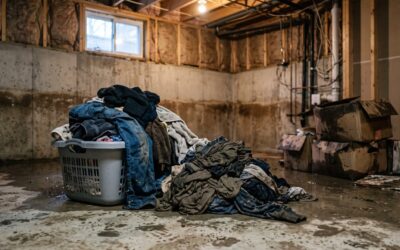
Smoke damage looks worse than it is. A grey film on everything, a strong odour and black soot on the walls can make a whole room seem lost, but residue on the surface of an item is very different from an item that actually burned. Professional cleaning removes residue and odour from far more belongings than most people expect.
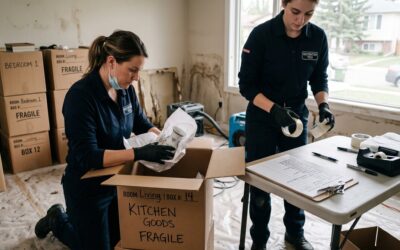
Throwing things away also creates problems for your claim. Your adjuster needs to see what was damaged and why it cannot be saved. Items that are gone before they are documented can be hard to claim. Our guide to what can and can’t be saved after smoke damage goes category by category.
If the fire was small or in another room
Many homes are damaged by smoke rather than flames: a kitchen fire, a fire in a neighbouring unit or wildfire smoke drifting in. In those cases, very little may actually be destroyed, but smoke and soot still reach closets, drawers and every soft surface. That is exactly when belongings are most likely to be thrown away unnecessarily, because they look and smell worse than they are. See wildfire smoke damage to belongings.
1. Photographs, documents and books
Family photos, letters, certificates and important papers are often the most irreplaceable things in a home. Soot can be removed from many prints and papers with specialized dry cleaning techniques, and odour can be treated. Papers soaked by firefighting water can be frozen to stop mould and ink bleed, then freeze-dried.
- Do not wipe soot off photos or papers
- Keep wet papers flat and freeze them in sealed bags if you can
- Separate valuable documents and keepsakes from everything else
- Ask about document drying and restoration
For books, see how to get smoke smell out of books.
2. Electronics
Televisions, computers, gaming systems and small appliances that were not in the flames are often restorable. The danger is soot inside them: it is acidic and conductive, and it keeps corroding circuit boards. The worst thing you can do is switch a device on to see if it works.
- Unplug devices if it is safe, and leave them off
- Do not wipe screens or vents
- Note where each device was during the fire
- Have them professionally cleaned and dried
See can electronics be saved after a fire and our electronics restoration service.
3. Clothing, linens and textiles
Clothing and bedding hold smoke odour, so it is tempting to bag it all for the garbage. Most of it can be saved. Soot is removed first, then washable items go through restoration laundry with deodorizing, and delicate garments are dry cleaned. The mistake that ruins clothes is washing them at home with heat before the smell is gone, which can set odour for good.
- Keep smoky clothes separate from clean ones
- Do not put them in a hot dryer
- Set aside suits, wool, silk and heirloom pieces for dry cleaning
- See our laundry services and dry cleaning
4. Dishes, glassware, metal and keepsakes
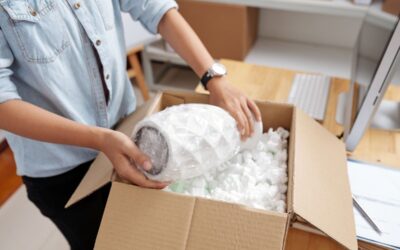
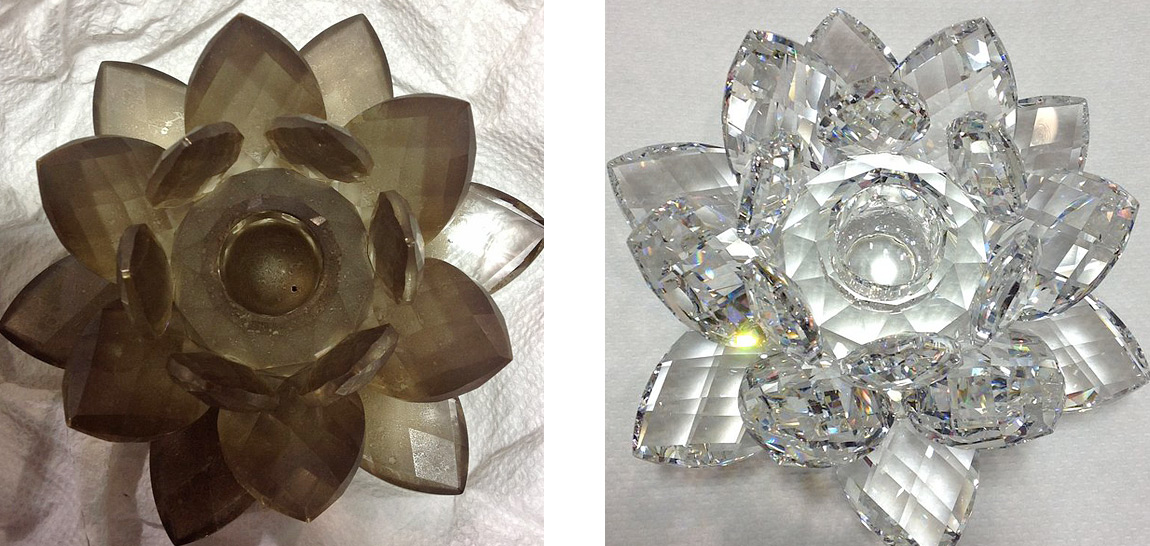
Hard, non-porous belongings are the easiest to restore after a fire. China, crystal, glassware, silverware, tools, figurines and jewellery usually come back looking like new after professional cleaning. Ultrasonic cleaning lifts soot out of detailed surfaces that hand cleaning cannot reach, without scrubbing.
Even blackened metal and cloudy crystal often clean up well. See our before and after results.
5. Furniture, rugs and upholstery
Wood furniture with surface soot can usually be cleaned and refinished. Upholstered pieces are cleaned according to their fabric code and deodorized, and area rugs can be washed, rinsed and dried flat. Good-quality and sentimental pieces are almost always worth assessing before they are written off.
See upholstery cleaning, rug cleaning and our guide to furniture restoration after a fire.
And anything that has not been documented yet
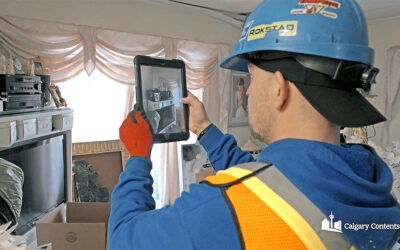
Even items that truly cannot be saved should stay until they are photographed and listed. A photo inventory records each item and its damage, and our non-restorable contents valuation adds a researched replacement value so your adjuster can settle the claim. Once your adjuster agrees, disposal is arranged, and you can ask to keep anything with sentimental value.
Things people regret throwing away
When we talk to families after a fire, the items they wish they had kept are rarely expensive. They are the things that cannot be bought again:
- Wedding albums and old family photographs
- Children’s artwork, report cards and baby keepsakes
- Letters, recipes and handwritten notes
- Holiday decorations collected over years
- Tools, trophies and hobby gear
- Quilts, blankets and clothing passed down in the family
Most of these can be cleaned and deodorized, and the rest can at least be documented properly.
Why restoring is often better than replacing
Restoring an item usually costs less than replacing it, which is why insurers generally prefer restoration when it works. It also means you get back the things you actually owned, not a new version, and it keeps more out of the landfill. See contents restoration vs. replacement.
What you should throw away
- Open food, and anything in the fridge or freezer if the power was off
- Medication and vitamins exposed to heat or smoke
- Cosmetics and personal care products
- Items that melted, charred or warped in the heat
- Baby bottles, soothers and other items that go in a child’s mouth
Photograph these before they go, and list them for your claim. Mattresses and pillows with heavy smoke or soaked by firefighting water are usually replaced too, after they are documented.
Keep, clean or toss: a quick guide
| Belonging | Usual outcome after smoke damage |
|---|---|
| Photos, documents and books | Keep and have professionally cleaned or dried |
| Electronics | Keep switched off and have assessed |
| Clothing and linens | Keep and have professionally laundered or dry cleaned |
| Dishes, glass, metal and jewellery | Keep and have cleaned |
| Furniture, rugs and upholstery | Keep and have assessed |
| Food, medication and cosmetics | Photograph and throw away |
| Melted or charred items | Photograph and list for your claim |
How Calgary Contents helps
We pack out, document, clean and store your belongings while your home is repaired, and we tell you honestly what can be saved. Everything that cannot be restored is documented and valued for your claim. See fire and smoke damage restoration and our process.
Frequently Asked Questions
Should I throw out food after a house fire?
Yes. Throw out open food and anything exposed to heat, smoke or firefighting water, including fridge and freezer contents if the power was off. Photograph it first for your claim.
Can smoke-damaged photos be saved?
Often. Soot can be removed from many prints with specialized dry cleaning, and wet photos can be frozen and dried. Do not wipe them. See restoring family photos.
Is it safe to turn on a TV or computer after a fire?
No. Soot is corrosive and conductive, and powering up can short circuit boards that could have been cleaned. Leave electronics off until they are checked.
Can I wash smoky clothes at home?
A few lightly affected everyday items can be washed with care, but avoid hot dryers until the smell is gone. Heavily affected, delicate or valuable clothing should be cleaned professionally.
What if I already threw things away?
List what you remember, find any photos of those items, and tell your adjuster. Order histories and receipts can help support the claim.
Who decides what can be restored?
Your contents restoration company assesses each item and recommends restoring or replacing it. Your adjuster makes the final decision on the claim.
Not sure what to keep? Leave it where it is and call us. We will tell you what can be saved. Call (403) 407-0208 any time, or contact us online.