A home contents inventory is a list, with photos, of what you own and roughly what it is worth. After a fire, flood or break-in, it is the fastest way to show your insurer what was lost, and it saves you from rebuilding a list from memory at the worst possible time. You can make a good one in an afternoon with your phone and the free template below.
This guide gives you a room-by-room checklist, what to record for each item, where to keep the inventory so it survives a loss, and how a professional photo inventory works if you already need one.
Key Takeaways
- An inventory speeds up a claim and helps you get full value for what you owned.
- A narrated phone video plus photos of valuables covers most homes.
- Record the brand, model, serial number and rough value of higher-value items.
- Store the inventory off-site, such as in the cloud.
- Update it once a year and after big purchases.
Table of Contents
- Why an inventory makes such a difference
- Download the free template
- How to build your inventory in an afternoon
- What to say in your video walkthrough
- Photo tips that make an inventory useful
- Room-by-room checklist
- Items people forget to include
- What to record for each item
- High-value items: going further
- How to estimate values
- Other records worth saving
- Renters and condo owners
- Small business inventory
- Keeping it current without much effort
- How your inventory is used in a claim
- Where to keep it
- After a loss: how a professional photo inventory helps
- Frequently Asked Questions
Why an inventory makes such a difference
After a loss, your insurer needs to know what you owned and what it was worth. Without an inventory, you are rebuilding that list from memory while dealing with a damaged home, and it is easy to forget whole categories: the tools in the garage, the linens in a closet, the cookware in the back of a cupboard. Those gaps can mean being paid for less than you lost.
An inventory also helps if a loss is partial. When some belongings can be restored and others cannot, a clear record of what was there before makes it easier to sort out the non-restorable list.
Download the free template
Download the home contents inventory template (Excel). It opens in Excel or Google Sheets and has a tab for each area of the home, with columns for the item, brand and model, quantity, rough value, receipts and photos.
How to build your inventory in an afternoon
- Walk through each room with your phone, recording a video and saying what you are filming
- Open closets, drawers and cupboards as you go
- Take close-up photos of valuables, labels and serial numbers
- Photograph receipts or save order confirmations for bigger items
- Fill in the template for anything worth more than you could easily replace
- Upload the video, photos and template to cloud storage
What to say in your video walkthrough
Narrating your video adds detail a camera cannot capture. As you film each room, say:
- The room you are in and what is in it
- Brands and models of furniture, appliances and electronics
- Roughly when and where you bought higher-value items
- What is inside closets, drawers and cabinets as you open them
- Anything with special value, such as heirlooms, art or collections
Photo tips that make an inventory useful
- Shoot in good light and hold the camera steady
- Take a wide shot of each wall, then close-ups
- Photograph labels, model plates and serial numbers
- Open drawers and closets and photograph the contents
- Capture the backs and undersides of art and antiques, where signatures and marks often are
- Name or date your files so you can find them later
Room-by-room checklist
Living room
- Sofas, chairs and tables
- TV, speakers, consoles and streaming devices
- Rugs, lamps and décor
- Books, games and collections
Kitchen and dining
- Small appliances
- Dishes, glassware and cookware
- Cutlery and silverware
- Dining table, chairs and hutch contents
Bedrooms
- Beds, mattresses and dressers
- Clothing, shoes and coats
- Jewellery and watches
- Electronics and chargers
Bathrooms and linen closets
- Towels and linens
- Small appliances such as hair dryers
- Toiletries in bulk
Basement and storage
- Seasonal items and decorations
- Sports, camping and hobby equipment
- Stored furniture and boxes
- Tools and spare appliances
Garage and outdoors
- Bikes, tools and equipment
- Patio furniture and barbecue
- Snow blower and lawn equipment
Home office
- Computers, monitors and printers
- Important documents and files
- Office furniture
Valuables and keepsakes
- Art, antiques and collectibles
- Family photographs and albums
- Heirlooms and items with special value
Items people forget to include
- Contents of the garage, shed and crawl space
- Linen closets and bedding
- Pantry and freezer contents
- Cleaning supplies and tools under sinks
- Sports, camping and hobby gear
- Holiday decorations and seasonal items
- Kids’ toys, books and games
- Clothing in storage bins and suitcases
- Window coverings and area rugs
- Chargers, cables and accessories
These categories add up quickly. On a full-house loss, they can be a large share of the total value.
What to record for each item
| Field | Why it matters |
|---|---|
| Item and description | Identifies what you owned |
| Brand, model and serial number | Proves the exact item and its replacement value |
| Quantity | Saves listing identical items one by one |
| Rough purchase date and price | Helps the adjuster value the item |
| Receipt or proof of purchase | Supports higher-value items |
| Photo | Shows condition and existence |
High-value items: going further
- Get appraisals for jewellery, art and collectibles, and keep them with your inventory
- Photograph hallmarks, signatures, labels and serial numbers
- Ask your broker whether high-value items should be listed separately on your policy
- Keep receipts and certificates of authenticity in cloud storage
How to estimate values
You do not need exact figures. A reasonable estimate helps your adjuster value the claim. Check online prices for similar items, look up old order histories and credit card statements, and note the rough age of each item. For items you inherited or cannot easily price, a short description of what it is and why it matters is still useful.
Other records worth saving
- Your home insurance policy and your broker’s contact details
- Warranties and manuals for major appliances
- Photos of the outside of your home and garage
- A list of upgrades and renovations, with receipts
- Contact details for your bank, mortgage lender and utilities
Renters and condo owners
If you rent, your landlord insures the building, not your belongings. Your inventory backs up your own tenant insurance claim, so it matters just as much. Condo owners should also note any upgrades they made to their unit, such as flooring, cabinets or fixtures, because those may fall under the unit owner policy rather than the condo corporation’s policy.
Small business inventory
Businesses benefit from the same approach. List equipment, furniture, computers and stock, with serial numbers and purchase records, and keep a copy off-site. If you lease your space, note which improvements you paid for. After a loss, a clear inventory speeds up both the property claim and any business interruption claim. See commercial contents restoration.
Keeping it current without much effort
- Add new purchases as you make them, using a photo of the receipt
- Set a yearly reminder for when your home insurance renews
- Re-film rooms after a renovation or a big change
- Ask each family member to update their own room or hobby gear
How your inventory is used in a claim
After a loss, your adjuster compares your inventory with what was damaged. Items that can be restored are cleaned and returned. Items that cannot are valued using the details you recorded: what the item was, its brand and age, and what a similar replacement costs. A clear inventory shortens that process and reduces back-and-forth about what you owned.
Where to keep it
Your inventory is only useful if you can reach it when the house is not accessible. Keep a copy in cloud storage, email it to yourself and, if you like, share it with a family member. Avoid keeping the only copy on a computer or in a drawer in the same house.
After a loss: how a professional photo inventory helps
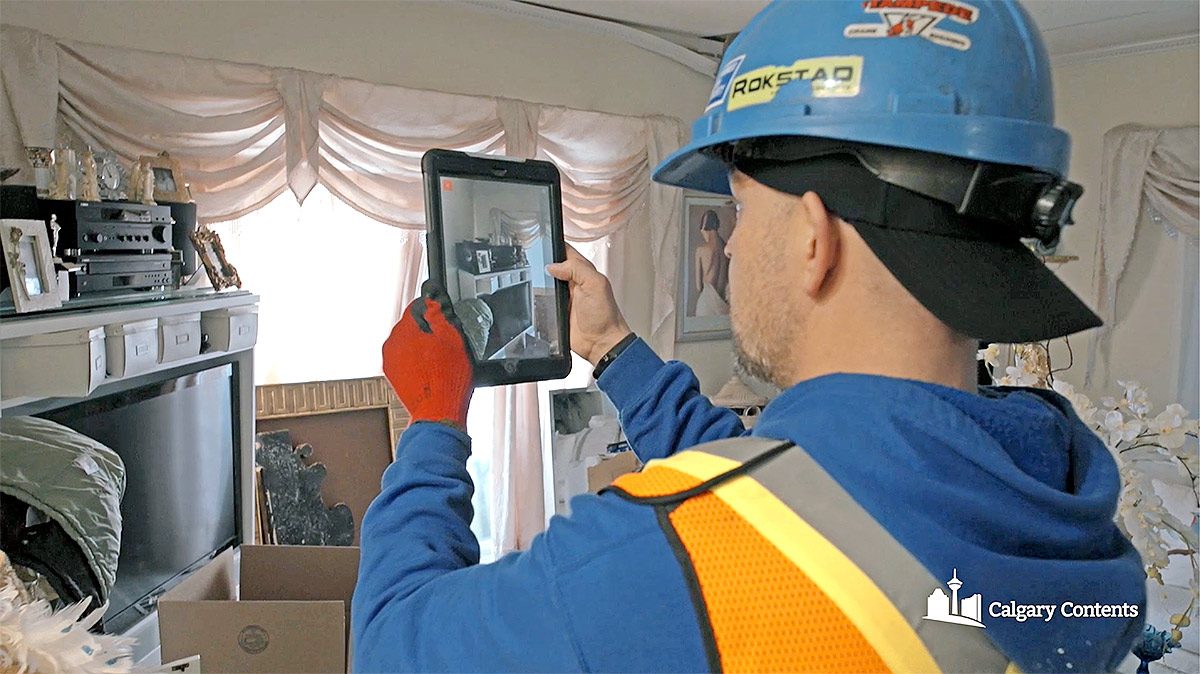
If you have already had a fire or flood, a professional inventory picks up where yours left off. During pack-out, every item is photographed, its condition recorded and each one sorted into restorable and non-restorable, which gives you and your adjuster a complete record. See our photo inventory service and why photo inventory matters.
Frequently Asked Questions
How often should I update my home inventory?
Once a year, and after big purchases, gifts or renovations. Tie it to something you already do every year, such as renewing your home insurance.
Is a video walkthrough enough?
A narrated video is a great start and much better than nothing. Add receipts, serial numbers and close-ups of valuable items to make it complete.
Where should I keep my inventory?
Somewhere you can reach if the house is not accessible: cloud storage, an email to yourself or a copy with a family member.
Do I need receipts for everything?
No, but they help for higher-value items. Photos, bank or credit card statements and online order histories can also show what you owned.
What if I never made an inventory and I have already had a loss?
Start from memory, room by room, and use photos from your phone, social media and online orders. A professional photo inventory during pack-out documents what is left.
Is a home inventory required by insurance companies?
No, but it makes a claim much faster and helps you get full value for what you owned.
Should I include things in storage units or my car?
Yes. Note what is kept away from home, since some policies cover belongings temporarily away from the residence.
How long does it take to make an inventory?
A narrated video of a typical home takes an hour or two. Filling in the template for higher-value items adds an afternoon.
Already dealing with a loss? We document, pack out and restore your belongings, and give your adjuster the inventory they need. Call (403) 407-0208 or contact us online.