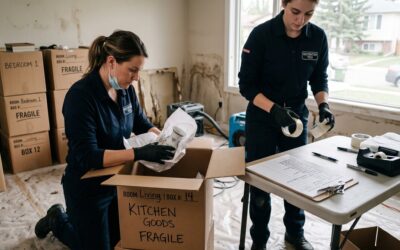
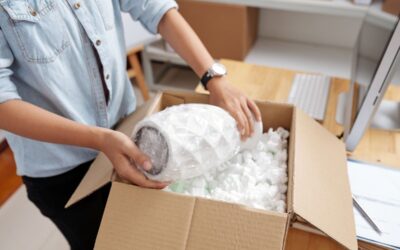
The water is out of the basement, and now you are staring at the aftermath: storage bins that were supposed to be waterproof, a laundry room floor covered in soaked clothes, winter coats hanging in a closet that took on a few centimetres of water. Knowing what to do with flood damaged clothes starts with one question that decides almost everything else, which is where the water came from.
Clothing is more forgiving than most belongings. A lot of it can be washed and worn again, sometimes after a single careful cycle. But clothes left wet in a pile grow mould quickly, water from a sewer backup or overland flood carries contamination that ordinary washing may not remove, and some fabrics are ruined by the wrong cleaning method. This guide covers how to sort flood damaged clothes, how to wash what can be washed, what to throw away, and when professional textile cleaning is worth it.
Table of Contents
- Start with the type of water
- The 48-hour window
- What to throw away after a flood
- How to sort flood damaged clothes
- How to wash flood damaged clothes at home
- When professional textile cleaning is worth it
- Flood damaged clothes and your insurance claim
- Why Calgary Contents is the right choice after a flood
- Frequently Asked Questions
Key Takeaways
- The source of the water decides what flood damaged clothes can be saved: clean water from a burst pipe is far more forgiving than sewer backup or overland flood water.
- Mould can start growing on wet fabric within 24 to 48 hours, so get clothes out of piles and bags and start washing or drying immediately.
- The City of Calgary advises always discarding flood-exposed stuffed toys, pillows and mattresses.
- Most washable cotton and synthetic clothing can be saved with a rinse, a hot wash where the fabric allows, and a disinfecting step.
- Photograph everything before you wash or discard it, because clothing is part of your contents insurance claim.
Start with the type of water
Restoration professionals sort water into three categories under the IICRC S500 standard for water damage restoration, and each one calls for a different approach to your clothes.
- Clean water comes from a burst supply line, a leaking hot water tank or a roof leak. Most washable clothing soaked in clean water can be laundered normally if it is dealt with quickly.
- Grey water comes from a washing machine, dishwasher or sump overflow. It carries residue and some bacteria, so clothes need a thorough wash and a disinfecting step.
- Black water means sewer backups and overland flooding. It carries bacteria and other contaminants into the fibres. Washable items may still be saved with careful hot washing and disinfection, but delicate, porous and hard-to-clean items often cannot.
Calgary sees all three. Burst pipes during cold snaps bring clean water, summer storms overwhelm drains and cause sewer backups, and river flooding like the 2013 event brought overland water into thousands of basements. Clean water also becomes contaminated the longer it sits, which is why time matters so much.
If the water came up through a floor drain, our guide to which basement belongings can be saved after a sewer backup covers the rest of the basement.
The 48-hour window
Wet fabric is an ideal surface for mould, and growth can begin within 24 to 48 hours. Clothes piled on a wet floor, stuffed back into a bin or sealed in garbage bags to deal with later are the ones most likely to be lost. A garment that would have washed perfectly on the first day can be stained and permanently musty by the fourth.
If you cannot wash everything right away, spread clothes out in a dry, well-ventilated space so air reaches every surface. Calgary’s dry air helps things dry quickly once they are separated, but it cannot reach the middle of a soaked pile. Our post on protecting belongings from mould after water damage explains why the first two days matter so much.
What to throw away after a flood
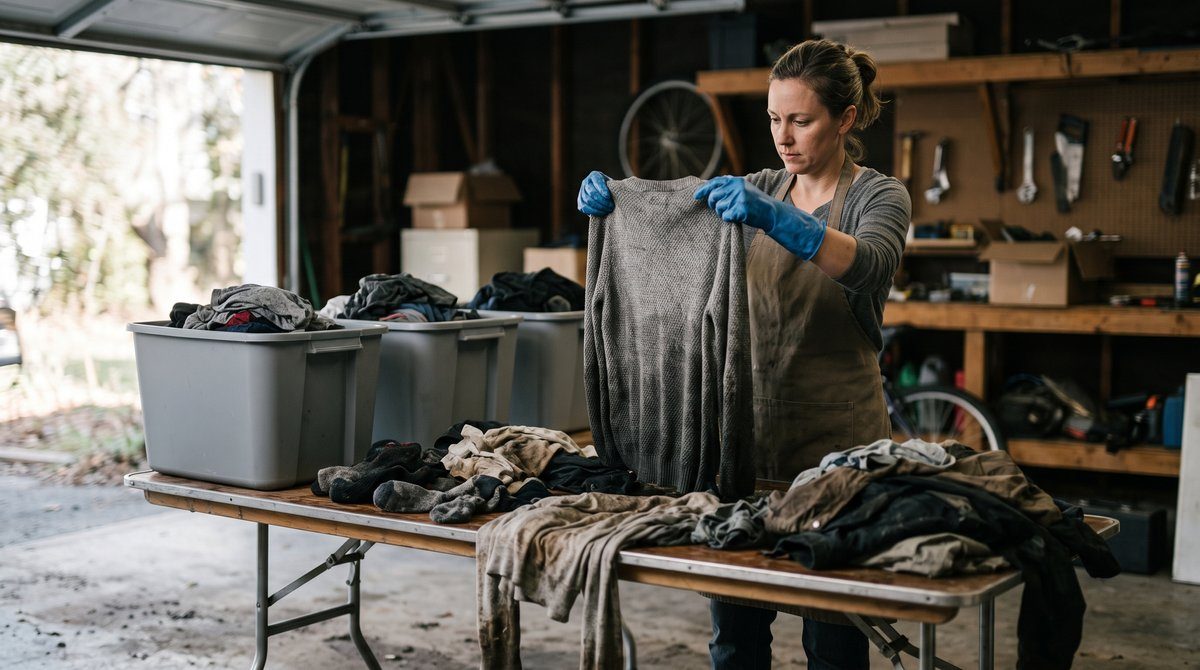
Some items are not worth the risk. The City of Calgary’s guidance on cleaning up after a flood lists items to always throw away once they have been exposed to flood water, including stuffed animals and toys, pillows, mattresses, rugs and cardboard. The reason is simple: these items hold contaminated water deep inside where washing cannot reliably reach it.
For clothing, discard anything that has visible mould that will not come out after washing, anything that still smells musty or of sewage after cleaning, and anything too delicate to survive the washing a flood exposure requires. Before you throw anything away, photograph it and note what it was; see the insurance section below. For a wider view of which belongings are and are not restorable, our guide to non-restorable items goes category by category.
How to sort flood damaged clothes
Wearing rubber gloves, sort everything into three groups before you start washing: items you can wash at home, items that need professional cleaning, and items to discard. This table covers the most common fabrics and pieces.
| Item | Clean water | Sewer or flood water |
|---|---|---|
| Cotton and synthetic everyday clothes | Wash at home | Hot wash and disinfect where fabric allows |
| Wool, silk and delicates | Professional cleaning | Professional cleaning, or discard |
| Leather and suede | Professional cleaning | Usually discard |
| Down jackets and duvets | Wash and dry fully, or professional | Usually discard |
| Pillows and stuffed toys | Often salvageable if washable | Discard |
| Heirloom and formal garments | Professional textile restoration | Professional assessment |
Shoes follow the same logic. Rubber and synthetic shoes can usually be scrubbed and disinfected; leather shoes and anything with padded insoles that soaked up sewer or flood water are rarely worth saving.
Too many flood damaged clothes to handle yourself? Calgary Contents can inventory, sort and arrange cleaning for your clothing and textiles along with the rest of your belongings. Call (403) 407-0208.
How to wash flood damaged clothes at home
For washable cotton and synthetic clothing, work through these steps. Always follow the care label, and keep flood damaged clothes separate from your clean laundry.
- Shake off debris outdoors. Wearing gloves, brush or shake off mud and grit before anything goes near the machine.
- Rinse in cold water first. A cold rinse cycle or a soak in a tub lifts dirt without setting stains, which hot water can do.
- Wash on the hottest setting the fabric allows with a heavy-duty detergent. Do not overload the machine; clothes need room to move for the water to clean them.
- Disinfect after sewer or flood water. Use household chlorine bleach on bleach-safe whites, as the City of Calgary’s flood guidance recommends for disinfecting, or a laundry disinfectant made for colours.
- Dry completely. Use a hot dryer where the fabric allows, or dry flat in a warm, ventilated room. Clothes that are still damp can develop mould in storage.
- Do the smell test. If an item still smells musty or of sewage once dry, wash it again. If a second wash does not clear it, the contamination is in the fibres and the item needs professional cleaning or should be discarded.
- Clean your washing machine afterwards with an empty hot cycle and a disinfectant, especially after washing anything exposed to sewer water.
When professional textile cleaning is worth it
Home washing handles everyday clothing well. Professional textile cleaning makes sense for fabrics a washing machine would damage, for items exposed to sewage that you want to keep, for garments with sentimental or real value, and for volume, when a flood has soaked the contents of several closets and a household machine would take weeks.
- Wool, silk, leather and suede need cleaning methods matched to the material.
- Wedding dresses, christening gowns and heirloom pieces should never go through a home wash after flood exposure.
- Winter coats and down are bulky and hard to dry fully at home, and damp down is a mould risk.
- Lingering odour after washing can be treated with professional deodorization rather than repeated washing that wears fabric out.
Our textile and clothing restoration service handles all of these: items are sorted by fabric and damage, then cleaned, deodorized and returned with the rest of your belongings.
For heirloom textiles specifically, our post on antique and heirloom restoration covers what is possible. And if the flood also reached furniture, rugs or documents, our guide to saving belongings after a frozen pipe burst covers the first steps for the rest of the house.
Flood damaged clothes and your insurance claim
Clothing is part of the contents coverage on a standard home policy, and after a big flood it can add up to a significant part of the claim. Whether it is covered depends on the source of the water. Damage from a sudden event such as a burst pipe is typically covered; sewer backup and overland flooding are usually only covered if you have added those endorsements. The Insurance Bureau of Canada explains how standard coverage works.
Before you wash or throw anything away, photograph it, including labels on higher-value items, and keep a list of what was damaged. Adjusters may want to see discarded items, so ask before disposing of large quantities. Our photo inventory service documents belongings item by item, and our contents insurance claim guide walks through the rest of the process.
Why Calgary Contents is the right choice after a flood
Calgary Contents restores the belongings inside a home after water and fire damage, and clothing and textiles are part of that work. We partner with textile restoration experts to clean, deodorize and restore clothing, drapery and linens, while our own team handles the inventory, sorting and documentation. Our team holds IICRC certifications including water damage restoration.
We offer rapid response across Calgary, Rocky View County, Airdrie, Beiseker, Chestermere, Cochrane, Crossfield and Irricana. Our water and flood damage contents service covers clothing alongside furniture, electronics, documents and keepsakes, and when a home needs to be emptied for repairs, our contents pack-out service moves everything to our Calgary facility for cleaning and safekeeping. Anything that cannot be restored is documented for your insurance claim. See how our contents restoration process works.
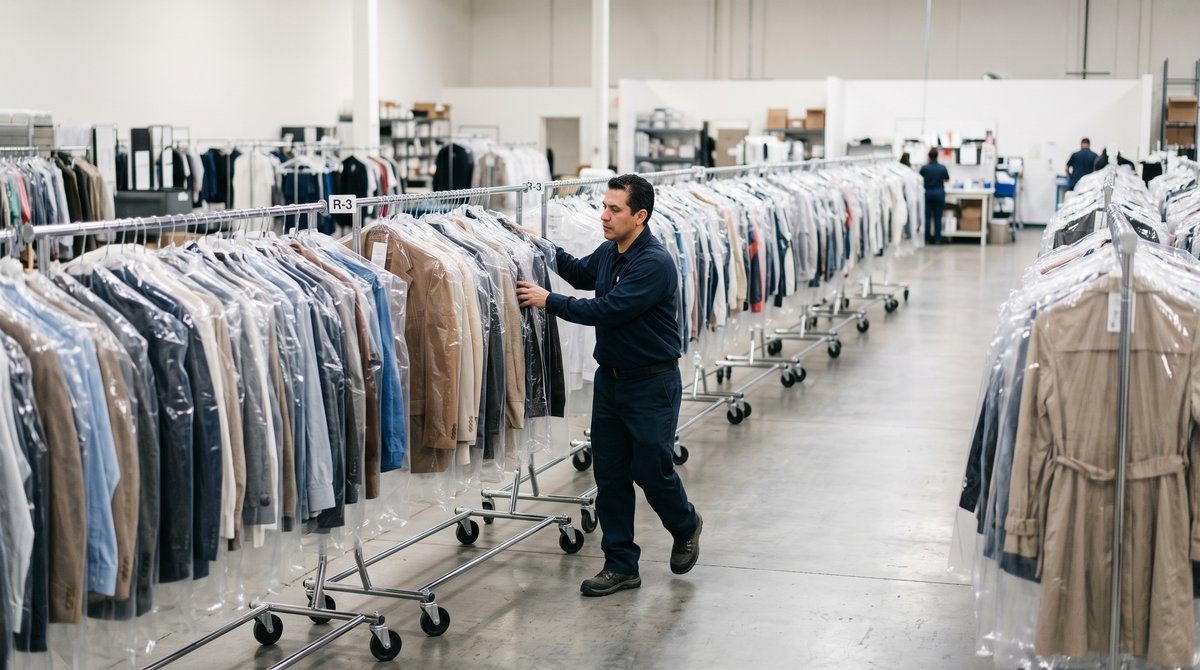
Save more of what the flood reached. Talk to Calgary Contents about your clothing, textiles and the rest of your belongings. Call (403) 407-0208 or contact us online.
Conclusion
What you do with flood damaged clothes depends first on the water. Clean water from a burst pipe leaves most washable clothing easy to save; sewer backup and overland flood water mean hot washing, disinfection and a stricter eye for what to discard. Either way, the clock matters: get clothes out of piles within the first 48 hours, sort them, wash what you can on the hottest safe setting, and dry everything completely. Throw away flood-exposed pillows, mattresses and stuffed toys, photograph everything before it goes, and send delicates, heirlooms and large volumes to professionals.
Frequently Asked Questions
Can clothes be saved after a flood?
Many can. Washable cotton and synthetic clothing usually survives a thorough hot wash and a disinfecting step, even after sewer or flood water. Delicates, leather, down and items that stay musty after washing are harder to save and may need professional cleaning or disposal.
Is it safe to wear clothes that were in sewage water?
Only after they have been properly cleaned. Wash them on the hottest setting the fabric allows with a heavy-duty detergent and a disinfectant, dry them completely, and make sure no odour remains. If an item still smells after two washes, discard it or have it professionally cleaned.
How long can wet clothes sit before they grow mould?
Mould can start on wet fabric within 24 to 48 hours, and faster in a warm, closed space like a sealed bag or bin. Spread clothes out to dry or start washing them the same day to avoid permanent staining and odour.
Should I use bleach on flood damaged clothes?
Use household chlorine bleach only on bleach-safe whites, following the label. For colours, use a laundry disinfectant made for coloured fabrics. Never mix bleach with other cleaning products.
Does insurance cover clothes damaged in a flood?
Clothing is part of your contents coverage. Damage from a sudden event such as a burst pipe is usually covered, while sewer backup and overland flooding usually need the matching endorsements on your policy. Photograph damaged clothes before washing or discarding them.
Can a wedding dress be saved after a flood?
Often, if it reaches a professional textile restorer quickly. Do not wash it at home. Keep it flat and away from other wet items, photograph it, and get a professional assessment before any stains or mould set.