Table of Contents
- Why Electronics Are So Vulnerable After a Fire
- How Fire, Smoke and Soot Affect Electronics
- Can Electronics Be Saved After a Fire?
- Smoke-Only Damage: When the Fire Was Somewhere Else
- Signs an Electronic Device Is Unsafe to Use
- The Electronics Restoration Process at Calgary Contents
- Can a Hard Drive Survive a Fire?
- Data Recovery vs. Device Restoration
- Electronics That Are Often Restorable
- Electronics That Are Usually Non-Restorable
- Why DIY Cleaning Can Permanently Destroy Devices
- The Role of Odour Removal and Decontamination
- How Insurance Handles Fire-Damaged Electronics
- Benefits of Professional Contents Restoration
- What Calgary Contents Does Differently
- Frequently Asked Questions
- Final Thoughts
Why Electronics Are So Vulnerable After a Fire
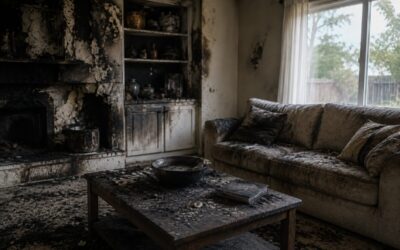
Fire damage goes far beyond the burn marks you can see. When a fire occurs—whether small or widespread—the smoke, soot and acidic residues travel through every corner of your home or business. These contaminants cling to walls, furniture, clothing, and especially electronics, making them one of the most vulnerable categories of contents after a fire.
At Calgary Contents, we specialize in bringing irreplaceable belongings back to life using proven restoration techniques—combining advanced tools with experience, precision, and compassion.
This guide explains which electronics can be restored, which are too damaged to save, and how the restoration process works.
How Fire, Smoke and Soot Affect Electronics
Even if a fire never touched your electronics directly, the byproducts of combustion likely did. Smoke and soot contain tiny acidic particles that settle deep inside vents, internal components, and circuitry.
Common types of damage include:
• Corrosion
Soot particles mix with humidity in the air and form acids that corrode metal parts, causing short circuits.
• Overheating
Heat can warp plastics, melt solder joints, and weaken insulation.
• Smell Absorption
Porous materials like speakers and rubber casings trap odours that don’t go away without professional deodorization.
• Electrical Shorts
Residue stuck between circuits can trigger arcing and electrical fires if powered on too soon.
Why this matters:
Even if your device looks fine, it may be unsafe or damaged internally.
Can Electronics Be Saved After a Fire?
Yes—many electronics can be restored, but only if handled correctly and quickly.
Restorability depends on:
- Proximity to the fire
- Amount of heat exposure
- Level of soot contamination
- Whether the device was powered on during/after the fire
- Water or suppressant exposure
At Calgary Contents, devices must go through a professional evaluation before restoration begins.
Smoke-Only Damage: When the Fire Was Somewhere Else
Many of the electronics we restore were never near the flames. A fire in the kitchen, the garage or a neighbouring unit sends smoke through the whole building, and wildfire smoke can drift in through windows and ventilation. Computers, TVs, gaming consoles and other devices with cooling fans pull that smoke inside, where soot settles on circuit boards, connectors and heat sinks.
Smoke residue is acidic and can conduct electricity. A device that seems to work the day after a fire can start failing weeks later as corrosion spreads, which is why smoke-only exposure still needs attention even when nothing looks damaged.
- Do not power on devices that were in a smoky area until they have been checked
- Unplug them and move them out of the affected area if it is safe to do so
- Do not wipe screens, vents or ports, which pushes soot further in
- Photograph each device and note where it was for your claim
- Ask about professional cleaning: devices with smoke-only exposure are often restorable
If the smoke came from wildfires, see our guide to wildfire smoke damage to belongings. Smoke damage to electronics after a covered fire is usually part of the contents portion of your claim.
Signs an Electronic Device Is Unsafe to Use
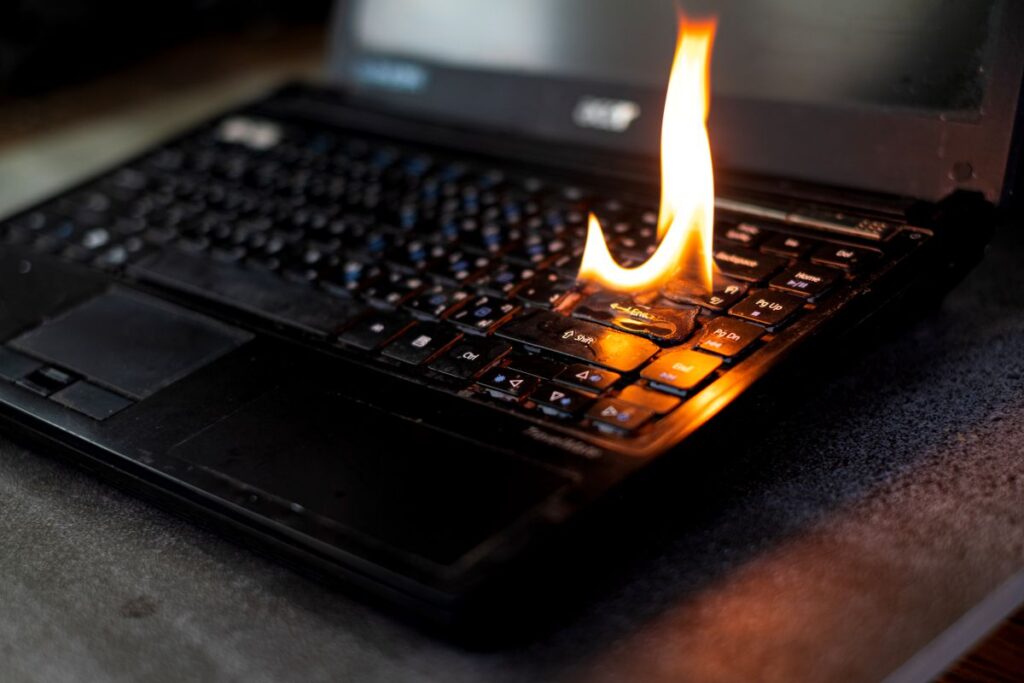
Never plug in a device that was in or near a fire.
Warning signs include:
- Soot inside vents or ports
- Melted or warped casing
- Odour of smoke or burning
- Visible residue
- Moisture or water damage
- Flickering screen or unusual noises
Attempting to power a damaged device can destroy it permanently—or cause another fire.
The Electronics Restoration Process at Calgary Contents
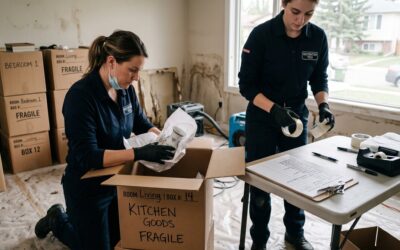
Our team follows a structured and safe approach using industry-leading cleaning technologies.
Step 1: Assessment
Each item is photographed, catalogued, and evaluated to determine:
- Type of smoke exposure
- Internal and external contamination
- Required cleaning method
- Restorability percentage
Step 2: Stabilization
Electronics are stored in a temperature-controlled environment to prevent additional corrosion or moisture damage.
Step 3: Deep Decontamination & Precision Cleaning
Using:
- Ultrasonic cleaning
- High-pressure air tools
- Micro-suction devices
- Antistatic cleaning systems
- Specialty solutions for soot and acid residue
We remove contaminants without harming delicate components.
Step 4: Odour Removal & Deodorization
Smoke odour penetrates plastics and rubber. We use:
- Ozone treatment (when safe)
- Hydroxyl generators
- Encapsulating deodorization
This eliminates odours at the molecular level.
Step 5: Drying & Controlled Environment Treatment
Components must be completely dry before reassembly and testing to avoid shorts or failures.
Step 6: Testing & Final Verification
Each item is tested for performance, safety, and reliability before being returned.
Can a Hard Drive Survive a Fire?
Surprisingly, yes — often more than people expect.
Hard drives are designed with protective metal casings and internal tolerances that can sometimes shield data even when the outer device is damaged.
Recovery may be possible when:
- The drive was exposed to smoke but not direct flame
- External casing is damaged but internal platters remain intact
- Heat exposure was brief
- Water exposure did not fully submerge internal components
Even severely damaged computers may still contain recoverable data because storage components can sometimes be removed and processed separately.
Data Recovery vs. Device Restoration
These are two separate goals.
Device restoration
Focuses on making the computer functional again.
Data recovery
Focuses on retrieving files even if the device itself cannot be reused.
In many cases:
- The computer may be replaced
- But the hard drive data is successfully recovered
This distinction is important for insurance and emotional recovery alike.
Electronics That Are Often Restorable
While every case is unique, many items can be restored successfully:
• Televisions & Monitors
Unless the panels are heat-warped, soot can usually be removed.
• Laptops & Computers
Internal cleaning and board decontamination often restore functionality.
• Phones & Tablets
If soot contamination is light, restoration is possible.
• Gaming Consoles
Consoles are surprisingly restorable with proper circuit cleaning.
• Cameras & Lenses
Optics respond well to specialized soot removal processes.
• Appliances
Microwaves, fridges, and washers can often be deodorized and cleaned.
• Audio Equipment
Receivers, speakers, and studio electronics are commonly restorable.
Electronics That Are Usually Non-Restorable
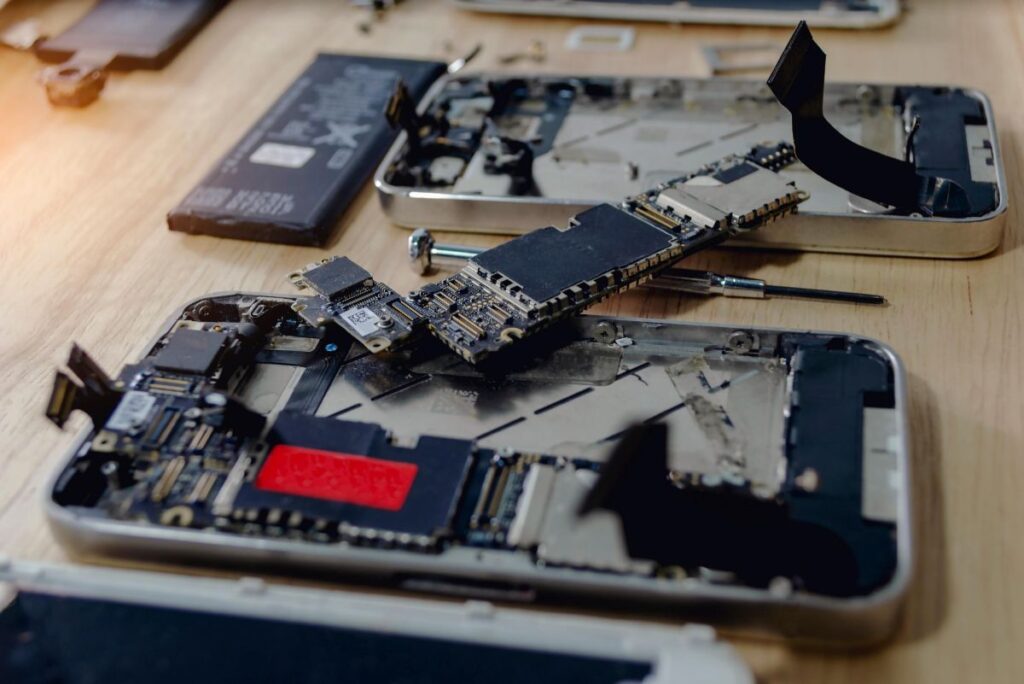
Some items are too compromised to safely or economically repair.
• Devices exposed to extreme heat
Melted plastics or warped components cannot be reversed.
• Electronics hit with large amounts of water
Extensive moisture leads to irreparable corrosion.
• Burned wiring or boards
Charred electronics pose future fire hazards.
• Inexpensive electronics
Sometimes replacement is cheaper than restoration.
Why DIY Cleaning Can Permanently Destroy Devices
Attempting to clean electronics yourself can cause irreversible damage.
Risks include:
- Rubbing soot deeper into components
- Using liquids that corrode circuits
- Static electricity that fries microchips
- Turning devices on before they’re safe
DIY cleaning almost always turns restorable items into non-restorable items.
The Role of Odour Removal and Decontamination
Fire odour is stubborn—especially in electronics made with rubber ports, plastic shells, and speaker fabrics.
Calgary Contents uses:
- Hydroxyl technology
- Ozone (when appropriate)
- Thermal fogging
- Nanoparticle deodorization
These methods neutralize odours thoroughly without damaging electronics.
How Insurance Handles Fire-Damaged Electronics
Insurance companies typically evaluate electronics based on:
- Restoration cost vs replacement cost
- Safety after decontamination
- Likelihood of long-term reliability
Professional contents restoration documentation helps insurers determine whether restoration or replacement is appropriate.
Benefits of Professional Contents Restoration
✔ Saves sentimental items
✔ Prevents costly replacements
✔ Reduces long-term corrosion
✔ Eliminates hazardous smoke odours
✔ Ensures safe future use
✔ Speeds up insurance claims
Restoration is often more affordable than people expect—especially compared to replacing premium electronics.
What Calgary Contents Does Differently

Calgary Contents is Southern Alberta’s trusted name for restoring irreplaceable belongings after fire, water, smoke, or storm damage.
We provide:
- Compassion-driven service
- Decades of hands-on contents expertise
- Advanced electronic cleaning technology
- Transparent documentation for insurance
- Safe pack-out and secure storage
- Expert pack-back services
Every item matters, and every detail counts.
Frequently Asked Questions
Can electronics be saved after smoke damage if they were not near the fire?
Often, yes. Devices with smoke-only exposure usually need internal cleaning, drying and deodorizing rather than replacement, as long as they are not powered on before they are checked.
Is it safe to turn on a computer after a fire?
No. Soot and moisture inside a device can short circuit boards when power is applied. Leave it off and have it assessed first.
Can data be recovered from a fire-damaged hard drive?
Often, yes. Drives are well protected, and data recovery is a separate process from restoring the device itself, so files can sometimes be recovered even when the computer cannot be saved.
Do you disinfect electronics?
Yes. Computers, phones, keyboards and other devices exposed to sewage, flood water, mould or illness are cleaned and disinfected with methods suited to each device. See electronics restoration and disinfection.
How long does electronics restoration take?
It depends on the number of devices and how contaminated they are. Each device is cleaned, dried and tested before it is returned, usually alongside the rest of your belongings.
Does insurance cover electronics restoration after a fire?
When the fire is covered, restoring electronics is usually part of the contents claim. Restoration often costs less than replacement, which insurers generally prefer.
Final Thoughts
Electronics are among the most sensitive and complex items affected by fire damage—but they’re also among the most successfully restored when handled correctly. Whether it’s a laptop filled with memories, a television, a camera, or essential business equipment, professional contents restoration gives these items the highest chance of survival.
If your home or business has suffered smoke damage, never power up electronics immediately. Instead, contact the Calgary Contents team to assess, clean, restore, and return your valuable items safely.