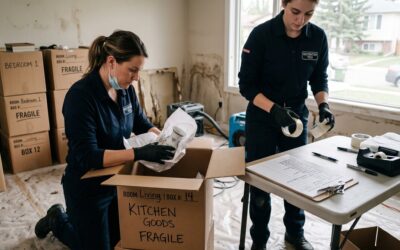
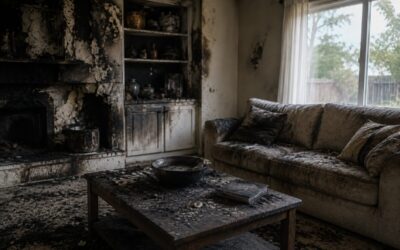
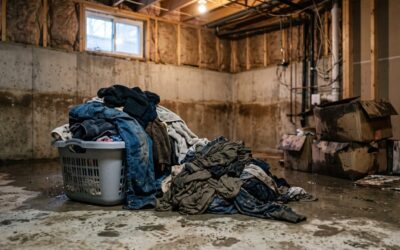
When a flood, fire, or burst pipe damages your home, your furniture is often among the first casualties — and among the most worth saving. Furniture restoration after water or fire damage recovers far more than people expect: more than half of damaged furniture can be restored rather than replaced, including pieces that look like total losses. From a swollen wood dresser to a smoke-soaked sofa or a soot-covered leather chair, the right techniques and a fast response can bring your furniture back. This 2026 guide explains what can be saved, how professionals restore each material, and the mistakes that turn salvageable furniture into garbage.
Table of Contents
Key Takeaways
- More than half of water- or fire-damaged furniture can typically be restored instead of replaced.
- Wood, upholstery, and leather each need different restoration methods — and all need to be dried slowly.
- Drying wood or leather too fast causes cracking, warping, and permanent damage.
- Smoke odour in upholstery is removed with deep cleaning and ozone treatment, not air fresheners.
- Acting within the first 24 to 48 hours dramatically improves what can be saved, before mould sets in.
Can damaged furniture be restored?
Yes — most furniture damaged by water or fire can be restored if it is treated quickly and correctly. Restoration professionals routinely recover wood, upholstered, and leather pieces that homeowners assume are ruined, and industry experience shows more than half of damaged furniture can be returned to pre-loss condition rather than thrown out.
The deciding factors are how long the furniture stayed wet or exposed to smoke, the material it is made of, and whether the right methods are used. Sentimental and high-value pieces are especially worth a professional assessment before you decide. Our guide on contents restoration vs. replacement explains how that decision is made, and our overview of non-restorable items shows where the line falls.
How furniture is restored by material
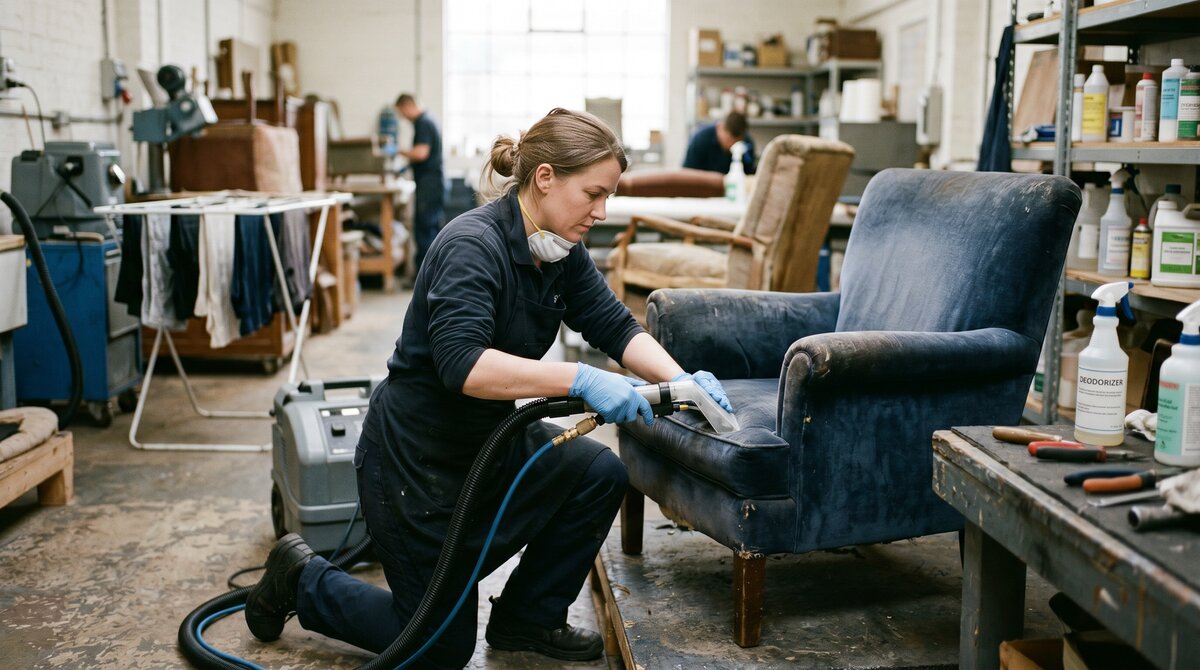
Different materials demand different approaches, which is why a one-size-fits-all cleaning rarely works. Here is how professionals handle the three most common furniture materials.
| Material | Restoration approach | Key risk |
|---|---|---|
| Wood | Gentle cleaning, slow drying, sanding and refinishing | Warping and cracking if dried too fast |
| Upholstery / fabric | Dry or steam cleaning, then ozone for odour | Set-in smoke odour and mould |
| Leather | Soot removal, cleaning, conditioning | Cracking if over-dried |
Wood furniture is cleaned, dried slowly to prevent shrinkage, and sanded or refinished where the finish is damaged. Upholstered furniture is dry- or steam-cleaned and then ozonated to eliminate smoke odour and pathogens — surface cleaning alone leaves odour behind. Leather is cleared of soot, cleaned, and conditioned to restore flexibility and colour. For delicate or intricate items, our ultrasonic cleaning reaches details ordinary methods cannot, and our odour removal services tackle the smoke smell that lingers in fabric.
What to do in the first 24-48 hours
The first two days largely determine what can be saved. If it is safe, move furniture out of standing water and away from wet areas, and increase airflow with open windows or fans — but do not force-dry with direct heat. Blot wet upholstery, lift furniture off wet carpet using foil or wood blocks under the legs, and separate pieces so air can circulate.
Speed matters because mould can begin growing within 24 to 48 hours on damp upholstery and wood. Photograph everything for your insurance claim before you move or clean it, and avoid the urge to scrub soot or aggressively dry valuable pieces yourself. For belongings beyond furniture, our guide on the what can and can’t be saved after smoke damage helps you triage the rest of the room.
DIY mistakes that ruin furniture
The most damaging mistake is drying furniture too fast. Wood that dries rapidly shrinks, cracks, and warps, and leather that dries too quickly becomes brittle and splits. Patience and controlled drying are what preserve a piece, which is exactly what professional equipment provides.
Other common errors include scrubbing soot into upholstery (which embeds it permanently), using household cleaners that strip wood finishes or stain fabric, leaving wet furniture on wet carpet so moisture wicks upward, and masking smoke odour with sprays instead of removing it at the source. When in doubt, stop and get an assessment — an aggressive DIY attempt can turn a restorable piece into a write-off.
When furniture should be replaced
Some furniture is beyond saving, and knowing when to let go protects your time and your health. Furniture soaked in contaminated “black water” from sewage or flooding, pieces with extensive structural damage or charring, and inexpensive particle-board furniture that has swollen and crumbled are usually better replaced than restored.
Health is the deciding factor with porous materials that have grown mould or absorbed contaminated water, since these can be impossible to fully decontaminate. A professional can tell you quickly which pieces are worth restoring and which are not, so you spend your restoration budget where it counts. Our guide on the contents restoration timeline shows how this assessment fits into the overall process.
Furniture restoration and insurance
Restoring furniture is often more cost-effective than replacing it, and that matters for your insurance claim. Many policies cover professional restoration, and a restoration company can document each piece’s condition and the work performed, giving your adjuster the records needed to process the claim smoothly.
Good documentation also helps you recover the value of sentimental and high-value items that cannot simply be bought again. A thorough photo inventory is the foundation of this, which is why our guide on why photo inventory matters is worth reading before you start cleaning. Working with a restoration partner who bills your insurer directly removes much of the stress from the process.
Why Calgary Contents is the right choice for furniture restoration
Calgary Contents is a specialized contents restoration company serving Calgary, Airdrie, Chestermere, Cochrane, and the surrounding area. Unlike general contractors who focus on the building, we focus entirely on your belongings — including the wood, upholstered, and leather furniture that is often the most valuable and sentimental thing in a damaged home.
We restore furniture the right way: gentle cleaning, controlled drying, ozone odour removal, and conditioning, using the methods each material requires. Every piece is assessed honestly, documented for your insurance claim, and treated to bring it back to pre-loss condition whenever possible. Locally owned and contents-focused, our motto says it best — we save your memories one item at a time.

Conclusion
Furniture restoration after water or fire damage saves more than most homeowners expect — often more than half of damaged pieces. The keys are matching the method to the material, drying slowly to avoid cracking and warping, and acting within the first 24 to 48 hours before mould sets in. Wood, upholstery, and leather can all come back with the right care, but aggressive DIY drying and cleaning are how salvageable furniture gets ruined. If your furniture has been damaged, get it assessed before you give up on it — the piece you were ready to throw out may be one professional restoration away from looking like new.
Frequently Asked Questions
Can water-damaged furniture be restored?
Yes, most can be if treated quickly. More than half of water-damaged furniture can be restored rather than replaced. Wood, upholstery, and leather each need specific methods and slow, controlled drying — rapid drying causes the cracking and warping that ruins pieces.
How do you restore fire- or smoke-damaged furniture?
Professionals remove soot, clean each material appropriately, and treat upholstery and porous pieces with ozone to eliminate smoke odour and pathogens. Wood is cleaned and refinished as needed, and leather is cleaned and conditioned. Surface cleaning alone leaves embedded soot and odour behind.
Should I restore or replace damaged furniture?
Restore furniture with surface damage, smoke odour, or clean-water exposure when it is structurally sound or sentimental. Replace pieces soaked in contaminated water, badly charred, structurally failed, or made of cheap particle board that has swollen. A professional assessment makes the call clear.
Why shouldn’t I dry furniture quickly?
Drying wood and leather too fast causes shrinking, cracking, warping, and brittleness that often cannot be repaired. Controlled, gradual drying preserves the material’s structure and finish, which is why professional restoration uses monitored drying rather than direct heat or sun.
Does insurance cover furniture restoration?
Many home insurance policies cover professional furniture restoration, and restoring is often more cost-effective than replacing. A restoration company documents each piece’s condition and the work done, giving your adjuster what they need and helping you recover sentimental and high-value items.