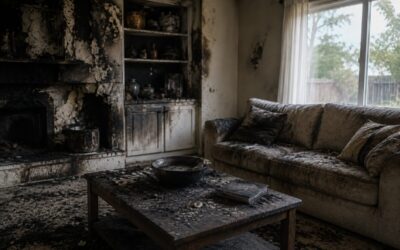
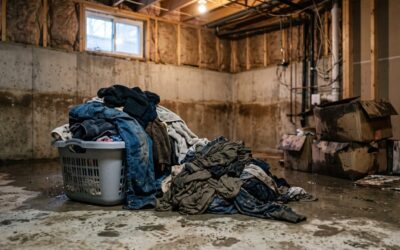
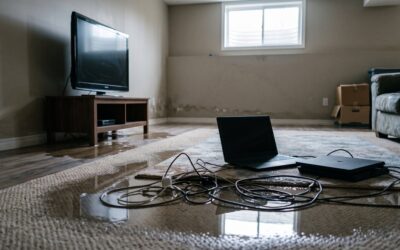
A flooded basement or burst pipe can soak an area rug in minutes — and if that rug is a wool, Persian, or family heirloom piece, the loss feels personal. The good news: area rug water damage is one of the most recoverable forms of contents damage, and many rugs that look ruined can be fully restored. But success depends almost entirely on how fast you act and whether the rug is dried and cleaned correctly. This 2026 guide explains which rugs can be saved, how professional rug restoration works, and the mistakes that turn a salvageable rug into a write-off.
Table of Contents
Key Takeaways
- Many water-damaged area rugs can be fully restored, especially wool and quality woven rugs, if treated quickly.
- The water category matters: clean water is recoverable, while sewage or flood “black water” usually means the rug must be discarded.
- Rugs must be dried flat with airflow — never in direct sun or heat, which causes fading and shrinkage.
- Mould can begin within 24 to 48 hours, and dye bleeding starts fast, so speed is everything.
- Professional rug cleaning fully immerses and dries the rug, which in-place carpet drying cannot match.
Can a water-damaged area rug be saved?
Yes — most area rugs damaged by clean water can be saved if they are dried and cleaned quickly and correctly. Rugs are often more recoverable than wall-to-wall carpet because they can be removed, fully cleaned, and dried flat in a controlled environment. Quality wool and hand-woven rugs in particular are built to last and respond well to professional restoration.
The outcome hinges on three things: how quickly the rug is treated, the type of water involved, and the rug’s material and construction. A wool rug pulled from clean water within hours has excellent odds; the same rug left soaking for days, or hit by contaminated water, is a different story. For a fuller view of how these calls are made, see our guide on contents restoration vs. replacement.
What determines if your rug survives
Several factors decide whether your rug can be restored. Understanding them helps you act fast and set realistic expectations.
| Factor | Better odds | Worse odds |
|---|---|---|
| Water type | Clean water (supply line, rain) | Grey or black water (sewage) |
| Time wet | Treated within hours | Soaked for days |
| Material | Wool, quality woven rugs | Cheap synthetic with glued backing |
| Construction | Hand-knotted, durable | Bonded or delaminating backing |
Clean water from a supply line or rain is the most recoverable; contaminated water from sewage or flooding introduces bacteria that often make a rug unsafe to keep. Natural fibres like wool are resilient, while inexpensive synthetic rugs with glued backing can delaminate when wet. The longer a rug stays saturated, the higher the risk of dye bleeding, mould, and dry rot — which is why fast action matters as much as the rug itself. Our guide on protecting belongings from mould after water damage explains that time pressure in detail.
What to do in the first 24-48 hours
The first two days decide most outcomes. If it is safe and the water is clean, remove the rug from the wet area as soon as possible — leaving it on a soaked floor lets moisture and dye wick in both directions. Lay it flat in a dry, well-ventilated space, blot (don’t rub) excess water with towels, and get air moving across both sides with fans.
Do not hang a heavy wet rug over a railing, which distorts its shape, and never dry it in direct sun, which fades colours and shrinks fibres. Photograph the rug for your insurance claim before cleaning. Most importantly, if the rug is valuable or the water was contaminated, call a professional rug cleaner quickly rather than attempting a full clean yourself — mould can begin within 24 to 48 hours. For the wider room, our guide on the contents restoration timeline shows how rug recovery fits into the bigger picture.
How professional rug restoration works
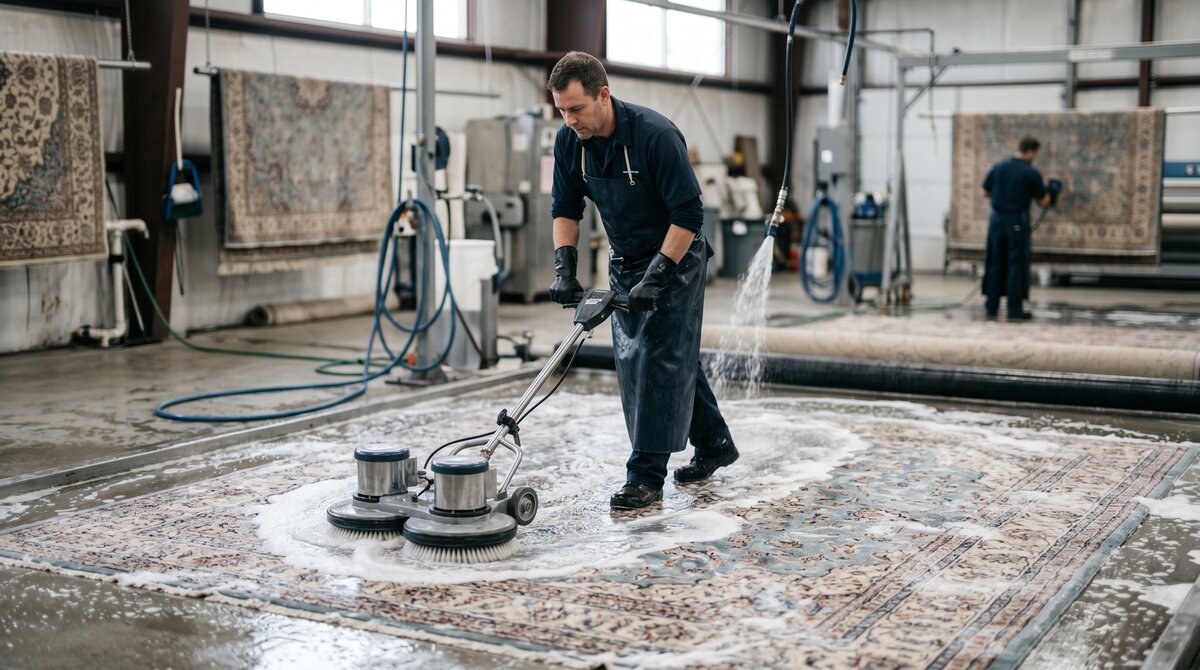
Professional rug restoration goes far beyond surface drying. The rug is first assessed for material, construction, and dye stability, then thoroughly extracted to remove water. For washable rugs, technicians use a full immersion or controlled wash that cleans deep into the fibres and removes contaminants — something impossible to do well in place.
The rug is then dried flat in a controlled environment with proper airflow and humidity, which prevents shrinkage, mould, and dye migration. Finally it is groomed and inspected before being returned. This off-site, immersion-based process is exactly why an area rug often recovers better than fixed carpet. For delicate or high-value pieces, our specialized cleaning techniques and full contents cleaning and restoration services handle rugs alongside the rest of your belongings.
Mistakes that ruin a wet rug
The most common mistake is letting the rug sit wet on a wet floor, which guarantees mould and dye bleeding. The second is drying it in direct sunlight or with high heat, which fades colours and shrinks natural fibres unevenly. Both can permanently damage a rug that professionals could have saved.
Other errors include scrubbing the pile (which damages fibres and spreads stains), using household carpet cleaners not suited to wool or natural dyes, hanging heavy wet rugs so they stretch out of shape, and treating a sewage-soaked rug as if it were merely wet. When the water is contaminated or the rug is valuable, the safest move is to stop and call a professional before a recoverable rug becomes a loss.
When a rug can’t be saved
Some rugs are beyond restoration. Rugs soaked in sewage or flood “black water” are usually unsafe to keep because the contamination penetrates the fibres and backing and cannot be reliably removed. Rugs left wet for many days with established mould, severe dye bleeding, or rotted, delaminating backing are also typically write-offs.
Inexpensive synthetic rugs with glued backing often cost more to restore than to replace, so replacement may make more sense. A professional assessment gives you a clear, honest answer quickly, so you do not spend money restoring a rug that cannot be saved — or throw away one that can. Our overview of what can and can’t be saved applies the same logic across your other belongings.
Why Calgary Contents is the right choice for rug restoration
Calgary Contents is a specialized contents restoration company serving Calgary, Airdrie, Chestermere, Cochrane, and the surrounding area. We focus entirely on belongings — including the wool, Persian, and heirloom area rugs that are often among the most valuable and sentimental things in a flooded home.
We assess each rug for material, construction, and dye stability, then clean and dry it the right way: full extraction, controlled washing where appropriate, and flat drying that prevents shrinkage and mould. Every rug is documented for your insurance claim and treated to return it to pre-loss condition whenever possible. Locally owned and contents-focused, we live by a simple promise — we save your memories one item at a time.
Conclusion
Area rug water damage is far more recoverable than most people assume — especially for wool and quality woven rugs treated quickly. The outcome comes down to the type of water, how fast you act, and whether the rug is dried flat and cleaned properly rather than baked in the sun or left on a wet floor. Clean-water rugs caught early have excellent odds; sewage-soaked rugs usually do not. If you have soaked a rug you care about, get it off the wet floor, keep it out of the sun, and call a professional before mould and dye bleeding make the decision for you.
Frequently Asked Questions
Can a water-damaged area rug be saved?
Often yes, especially wool and quality woven rugs damaged by clean water and treated quickly. Rugs can be removed, fully washed, and dried flat in a controlled environment, which gives them better odds than fixed carpet. Sewage-soaked rugs usually cannot be safely saved.
How do you dry a wet area rug?
Remove it from the wet floor, lay it flat in a dry, ventilated space, blot out excess water, and move air across both sides with fans. Never dry a rug in direct sun or with high heat, which fades colours and shrinks fibres, and never hang a heavy wet rug.
Is a rug ruined if it gets soaked?
Not necessarily. A soaked rug treated within the first 24 to 48 hours often recovers fully, particularly natural-fibre rugs. The risks rise the longer it stays wet — mould, dye bleeding, and rot — and contaminated water is what most often makes a rug unsalvageable.
Can wool and Persian rugs survive water damage?
Yes, wool and hand-woven Persian rugs are durable and respond well to professional restoration, including full immersion washing and controlled flat drying. Because they are valuable and dye-sensitive, they should be handled by a professional rather than cleaned with household products.
When should an area rug be thrown out?
Discard rugs soaked in sewage or flood black water, rugs with established mould or rot from prolonged soaking, and cheap synthetic rugs whose glued backing has delaminated. A professional assessment quickly tells you whether a rug is worth restoring or should be replaced.