
The fire is out, the smoke has cleared, and now you’re standing in your home staring at black, oily residue coating every surface — your kids’ toys, your wedding album, the leather sofa you saved up for, the kitchen appliances you just bought last year. The dread sets in: what’s actually salvageable, and what’s headed for the landfill? Soot cleanup Calgary homeowners have to face after a fire is one of the most overwhelming parts of the entire restoration process, partly because soot looks worse than it usually is, and partly because the wrong decisions in the first few days lock in damage that could have been reversed.
This guide is a practical, category-by-category triage tool: what to put in the cleaning pile, what to put in the trash, and how to tell the difference between the two. We’ll cover the four types of soot and why they matter, walk through textiles, electronics, art, metals, plastics, and kids’ items, and explain why DIY soot removal so often makes the damage permanent rather than fixing it.
Table of Contents
- Why Soot Damages Calgary Homes So Quickly
- The Four Types of Soot (and Why They Matter for Cleanup)
- Soot Cleanup Calgary Triage: The Three Rules
- Category-by-Category Guide: Save vs. Discard
- Why DIY Soot Removal Often Makes It Worse
- Soot Cleanup Cost & Timeline in Calgary
- Frequently Asked Questions
- Get Your Belongings Back to Pre-Fire Condition
Why Soot Damages Calgary Homes So Quickly
Soot isn’t just black powder — it’s a chemically active mix of unburned carbon particles, acidic compounds, and microscopic residues from whatever burned. When synthetic materials like furniture foam, plastics, vinyl flooring, or electronics burn, the resulting soot contains corrosive byproducts that begin etching, pitting, and discolouring surfaces within hours of settling. Metal fixtures yellow. Plastics turn permanently brittle. Hardwood finishes cloud over. Painted walls develop stains that no amount of cleaning will fully lift if left long enough.
The other reason soot moves fast is that it’s airborne for far longer than people expect. Smoke and soot particles continue circulating long after the flames are extinguished, settling on surfaces in rooms the fire never reached. A small kitchen fire in a Calgary bungalow can leave soot deposits in the upstairs bedrooms, inside closed dresser drawers, on the inside surfaces of cupboards, and embedded in HVAC ductwork that will keep redistributing it every time the furnace kicks on.
The acidic component is the biggest reason restoration crews treat fire-damaged contents as time-sensitive. The longer soot residue sits on a surface, the more it bonds chemically — and at a certain point, “cleaning” becomes “refinishing or replacing.” That’s the threshold every Calgary homeowner should be racing against.
The Four Types of Soot (and Why They Matter for Cleanup)
Not all soot is the same, and trained restoration technicians treat each type differently. Knowing which type you’re dealing with helps explain why a cleaning method that works on one room will smear, smudge, or destroy items in another.
| Soot Type | Source | Texture | Cleanup Approach |
|---|---|---|---|
| Dry soot | Fast-burning fires (paper, wood) | Powdery, brushes off easily | HEPA vacuuming first, then dry sponge |
| Wet (oily) soot | Slow, smouldering fires (synthetics, plastics) | Sticky, smears badly when wiped | Specialized solvents — never water first |
| Protein soot | Kitchen fires (cooking oils, food) | Invisible film, strong odour | Enzymatic cleaners, deodorization |
| Fuel oil soot | Furnace puffback or oil heater | Heavy, oily, sulphurous | Often total loss for porous items |
Dry soot is the most forgiving — vacuum it off carefully and the underlying surface is often unharmed. Wet, oily soot is the most dangerous to DIY, because the natural reaction of grabbing a damp cloth and wiping just smears it deeper into the material’s grain or fibres, often turning a cleanable item into a permanent stain. Protein soot is sneaky because you barely see it, but the smell is worse than a heavily smoke-stained wall, and it’s the type most often missed by inexperienced cleaners. For more on the science of these different smoke residues, our team’s post on the comparison between fogging and traditional cleaning goes deeper into how each method targets different residue types.
Soot Cleanup Calgary Triage: The Three Rules
Before you start sorting your belongings into piles, internalize these three rules. They cut through almost every “should I save this?” decision a Calgary homeowner faces during soot cleanup.
- Porous beats non-porous, every time. Hard, smooth, sealed surfaces (glass, ceramic, stainless steel, sealed metal, sealed wood) clean up dramatically better than porous materials (mattresses, upholstered foam, particleboard, raw wood, old paper). When in doubt about a porous item, put it in the “questionable” pile and let a professional decide — not the other way around.
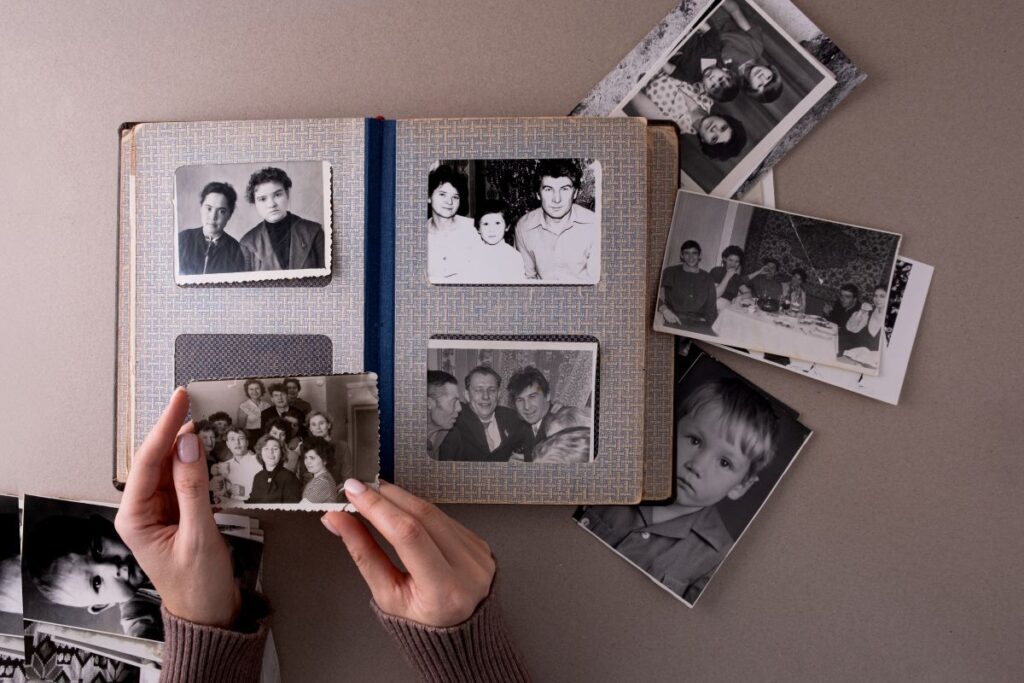
- Sentimental value justifies professional cleaning. A $40 IKEA shelf isn’t worth the cleaning bill. Your grandfather’s leather-bound photo album is. Replacement is sometimes the right call financially, but professional restoration is almost always the right call for irreplaceable items.
- If it touched food, water, or your skin — and it’s porous — discard it. Children’s toys, pillows, mattresses, food in non-sealed packaging, medications, cosmetics, and anything in the bathroom that absorbed smoke residue should be disposed of. The contamination risk isn’t worth the salvage cost.
Category-by-Category Guide: Save vs. Discard
Clothing, bedding & textiles
Most clothing can be saved if it’s removed from the soot environment quickly and laundered or dry-cleaned by a smoke-restoration specialist. The home washing machine alone won’t cut it — soot is oily, and ordinary detergent simply pushes the residue around. Professional textile restoration uses ozone treatment to break down odour molecules before laundering. Items to discard: anything melted, scorched, or with charring; pillows and mattresses (porous fill is impossible to fully decontaminate); children’s clothing that absorbed wet, oily soot.
Electronics & appliances
Soot is conductive and corrosive, which is a bad combination for circuit boards. Do not power on any electronic that was in the affected area until it has been professionally cleaned. Anti-static HEPA vacuuming and controlled solvent baths can recover an enormous amount of value here — TVs, computers, gaming consoles, kitchen appliances, and home stereo equipment all clean up well when handled within a few days. Our electronics restoration cleaning service handles this end of the process. Items to discard: anything visibly melted, with damaged casings, or where soot has reached interior components and sat for weeks.
Hard non-porous goods (glass, metal, ceramic, hard plastic)
This is the category that benefits most from professional ultrasonic cleaning. Sound waves agitate cleaning solution into every microscopic crevice, lifting soot and acidic residue off surfaces that hand-cleaning would never fully reach. China, crystal, jewellery, kitchenware, picture frames, decorative metals, and tools all come back looking essentially new. Items to discard: cheap plastics that have yellowed permanently, melted items, ceramics with hairline cracks where soot has penetrated.
Upholstered furniture
This is the toughest call. Upholstered furniture is porous through-and-through, and soot embeds deep in the foam where surface cleaning can’t reach. High-value pieces with hardwood frames and quality upholstery often justify professional cleaning and reupholstering. Lower-value pieces, sectional sofas, and anything where soot has saturated the cushions are usually replaced. The deciding factor is often the frame: if it’s solid wood and the structural integrity is intact, restoration is viable; if it’s particleboard or engineered wood, replacement is almost always more cost-effective.
Photos, artwork & documents
Photographs and paper documents are often more salvageable than people assume. Soot can be carefully removed from photos using specialized dry techniques, and freeze-drying paper records is a standard recovery process for important documents like passports, certificates, and tax records. Original artwork, antique books, and family bibles deserve professional restoration almost regardless of cost — they cannot be replaced. Items to discard: photo prints that were directly scorched, paper with structural damage from heat, anything where soot was wet-wiped before professional intervention.
Children’s items & toys
This category gets a more conservative approach because of the chemical residues left behind by burning synthetics. Hard plastic toys, sealed games, metal toys, and washable stuffed animals can usually be cleaned and decontaminated. Soft plush toys with embedded soot, anything porous that contained soot for an extended period, and any teething toy or item that goes in a child’s mouth should be discarded as a precaution.
Food, medications & cosmetics
This is the easiest category. Discard everything. Even items in sealed containers can be compromised if the seals were exposed to heat. Pantry food, fridge contents, all medications, all cosmetics, and any health-and-beauty products from affected rooms should go. Document them for your insurance claim — most policies cover replacement of these items. For more on the items that simply cannot be restored, our post on understanding non-restorable items covers this in more detail.
Why DIY Soot Removal Often Makes It Worse
We get the urge to start cleaning right away — anything to feel like you’re regaining control after a fire. The challenge is that soot has counter-intuitive properties that punish good intentions. Five DIY mistakes Calgary homeowners make most often:
- Wiping wet, oily soot with a damp cloth. The water spreads the oil, smears the soot deeper into the surface grain, and turns a clean-up job into a stain that won’t come out. Always vacuum dry before any wet cleaning.
- Using a regular vacuum. Standard household vacuums redistribute fine soot particles through the exhaust, contaminating other rooms. HEPA-filtered vacuums are essential, and even they need to stay 1–2 inches off the surface to avoid pressing soot deeper.
- Running the furnace. The HVAC system circulates settled soot back into every room until ducts are professionally cleaned. Turn off the system as soon as it’s safe and leave it off until inspected.
- Trying to mask odour with air fresheners. Soot odour comes from molecules embedded in soft materials — masking sprays don’t remove anything, and the smell returns the moment the spray fades. Proper deodorization requires hydroxyl, ozone, or fogging treatment.
- Using ammonia, vinegar, or generic household cleaners. Some of these react with soot residue, locking the staining permanently into surfaces. Restoration-specific cleaners are pH-matched to neutralize acidic soot rather than fight it.
If you’ve already started cleaning before reading this, don’t panic — but stop now and document the original soot pattern in any unclean rooms. Insurance adjusters need to see the full extent of the damage, and a partially DIY-cleaned home can complicate your contents claim.
Soot Cleanup Cost & Timeline in Calgary
Soot cleanup costs in Calgary vary widely depending on the size of the affected area, the type of soot, the number of contents to be packed out, and whether ultrasonic, electronics, or textile restoration is required. Most fire losses are covered by standard homeowners insurance — the cost question isn’t usually about your out-of-pocket spend, it’s about whether the project stays within policy limits and how the contents portion is allocated.
| Phase | Typical Duration | What’s Happening |
|---|---|---|
| Initial assessment & pack-out | Day 1–4 | Inventory, photo documentation, protective packing |
| Hard contents (ultrasonic) | Week 1–3 | China, crystal, metal, ceramic, hard plastic, jewellery |
| Soft contents (textiles) | Week 1–4 | Laundering, dry cleaning, ozone treatment |
| Electronics restoration | Week 2–4 | HEPA vacuuming, solvent cleaning, function testing |
| Documents, photos, artwork | Week 1–6 | Specialized dry cleaning, freeze-drying as needed |
| Deodorization | Week 4–6 | Hydroxyl, ozone, or HaloFog treatment |
| Pack-back | 1–2 days | Return delivery once home is repaired |
| Total typical timeline | 4–10 weeks | Plus structural repair time |
The biggest variable in cost and timeline is the volume of porous, semi-restorable items. A home with mostly hard goods cleans up faster and cheaper than a home with extensive upholstered furniture, mattresses, and stuffed children’s toys, where most of the work is documenting non-restorables for the insurance claim. Our team handles both ends of that spectrum and works directly with your adjuster to keep things moving.
Frequently Asked Questions

How long do I have to start soot cleanup before damage becomes permanent?
Acidic soot residue can begin permanently etching plastics, bath fixtures, unprotected metals, countertops, and finished wood within hours. Soft goods can develop permanent staining within a few days. The window for the best outcomes is the first 24–72 hours after the fire is extinguished, which is why most restoration companies prioritize emergency response on fire losses.
Can I clean soot off walls myself?
Light, dry soot on painted walls can sometimes be removed with a chemical sponge (also called a dry-cleaning sponge), used in long downward strokes without water. Anything beyond that — wet soot, heavy staining, textured walls, or oil-based paint — should be left to professionals, because the wrong cleaning approach often locks the stain in. Walls in adjacent rooms that look “barely affected” usually have hidden soot deposits and should be inspected before painting over.
Why does my house still smell like smoke after weeks of cleaning?
Smoke odour comes from molecules embedded in soft materials, HVAC ductwork, and absorbent surfaces — places that surface-cleaning can’t reach. Proper odour elimination requires deodorization technology like hydroxyl generators, ozone treatment, or fogging. Without that step, the smell will keep returning for months.
Is soot dangerous to breathe?
Yes. Soot contains fine particulate matter and chemical residues that are harmful to inhale, especially for children, seniors, and anyone with respiratory conditions. Wear a properly fitted respirator (not a basic dust mask) when entering a soot-affected area, and avoid sleeping in the home until professional cleaning has addressed at least the bedrooms and HVAC system.
Will my insurance cover professional soot cleanup?
Most standard Alberta home insurance policies cover fire-related losses including soot cleanup, contents pack-out, and restoration, minus your deductible. Always confirm with your broker, and review whether your contents coverage is ACV (depreciated) or RCV (replacement cost). Our team works directly with your adjuster on scope and approvals.
Do you serve Airdrie, Cochrane, and the surrounding area?
Yes. Calgary Contents serves Calgary plus Airdrie, Rocky View County, Beiseker, Chestermere, Cochrane, Crossfield, and Irricana. See our locations page for community-specific information.
Get Your Belongings Back to Pre-Fire Condition
Soot cleanup Calgary homes need after a fire is rarely as hopeless as it looks. With the right pack-out timing, the right cleaning method for each material, and proper deodorization, the vast majority of belongings can come home cleaner than they were before — including the items you assumed were lost. The mistake that costs Calgary homeowners the most is waiting to call, not the cost of professional cleaning.
Calgary Contents has restored more than 25,000 belongings over 20-plus years across Calgary, Airdrie, Cochrane, Chestermere, and the surrounding region. We handle the full process — assessment, pack-out, photo inventory, ultrasonic cleaning, electronics restoration, textile laundering, deodorization, and pack-back — and we coordinate directly with your insurance adjuster so you don’t have to. Our motto is simple: Save Your Memories…One Item at a Time.
If your home has been affected by a fire and you need help with soot cleanup, call us at (403) 407-0208 or reach out through our contact page. The faster we’re on site, the more we can save.