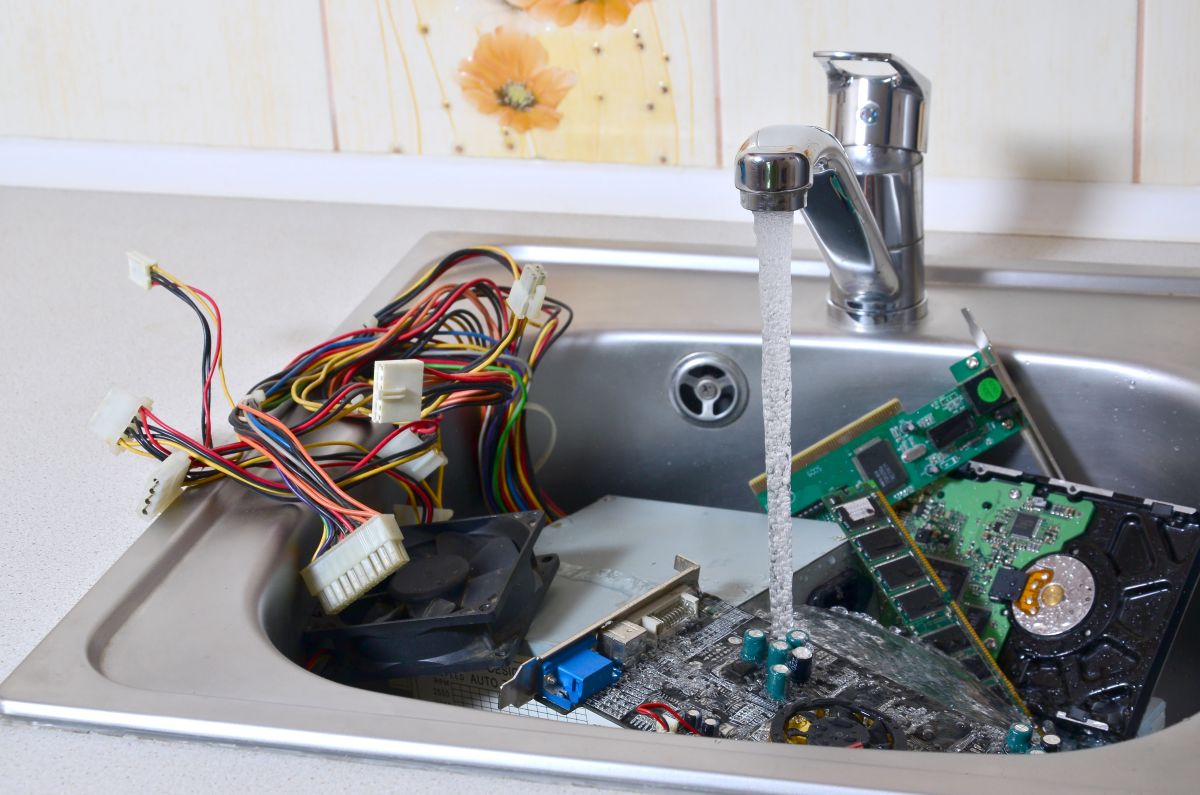
When water damage hits your home or business, one of the first and most stressful questions is:
“Is everything ruined — or can some of this be saved?”
Whether the damage comes from a burst pipe, appliance leak, roof failure, or basement flooding, water has a way of spreading quickly and affecting far more than what’s visible on the surface. For many Calgary homeowners, the emotional weight of possibly losing sentimental, antique, or irreplaceable belongings can be just as overwhelming as the property damage itself.
The good news is this:
many items affected by water damage can often be restored — if the right steps are taken early and handled professionally.
This guide explains the top five signs your belongings may be salvageable after water damage, how contents restoration works, and why proper deodorization and decontamination are essential for long-term recovery.
Calgary Contents is the trusted name in Southern Alberta for restoring valued and sentimental belongings after a disaster. We specialize in the careful retrieval, cleaning, deodorization, storage, and pack-back of contents — applying compassion and attention to detail at every stage.
Table of Contents
- Why Water Damage Doesn’t Always Mean Total Loss
- Sign #1: The Water Source Was Clean or Grey Water
- Sign #2: The Items Were Exposed for a Short Time
- Sign #3: There Is No Visible Mould Growth Yet
- Sign #4: Odour Is Present but Not Deep or Persistent
- Sign #5: Items Were Not Structurally Compromised
- What Items Are Commonly Restored After Water Damage
- Why Timing Matters in Contents Restoration
- How Professional Decontamination and Deodorization Works
- When Belongings Cannot Be Safely Restored
- How Calgary Contents Helps Save What Matters Most
- Checklist: What to Do While Waiting for Help
Why Water Damage Doesn’t Always Mean Total Loss
Many homeowners assume that once an item gets wet, it must be thrown away. In reality, water damage varies widely depending on:
- The type of water involved
- How long the item was exposed
- The material composition
- Environmental conditions (humidity, temperature)
- How quickly professional drying and cleaning begin
With modern contents restoration methods, items once considered unsalvageable can often be restored, especially when action is taken early.
Sign #1: The Water Source Was Clean or Grey Water
One of the strongest indicators that belongings can be restored is the category of water involved.
Clean water (Category 1)
This includes water from:
- Broken supply lines
- Appliance malfunctions
- Sink or bathtub overflows (without contamination)
Items exposed to clean water are often excellent candidates for contents restoration if addressed quickly.
Grey water (Category 2)
This may include:
- Washing machine discharge
- Dishwasher overflow
- Minor toilet overflows (without solid waste)
While grey water requires thorough cleaning and decontamination, many belongings can still be restored safely.
Why this matters
When water is clean or lightly contaminated, restoration focuses on:
- Controlled drying
- Surface cleaning
- Deodorization
- Preventing microbial growth
This significantly improves salvage potential.
Sign #2: The Items Were Exposed for a Short Time
Time is one of the most critical factors in water damage recovery.
Belongings that were wet for only a few hours — or even up to 24 hours — often respond very well to professional restoration.
Early intervention allows:
- Moisture to be removed before absorption deepens
- Fibres and materials to return to original shape
- Odour-causing bacteria to be controlled
- Mould growth to be prevented
Once items remain wet for extended periods, materials begin to break down, and restoration becomes more complex — though not always impossible.
Sign #3: There Is No Visible Mould Growth Yet
Mould typically begins developing within 24 to 48 hours under the right conditions.
If you do not see:
- Fuzzy growth
- Black, green, or white spotting
- Musty, persistent odours
then your belongings may still be excellent candidates for restoration.
Why early drying matters
Professional contents restoration includes:
- Moisture measurement
- Controlled airflow and dehumidification
- Targeted cleaning
- Preventative antimicrobial treatment when appropriate
Stopping mould before it starts dramatically increases restoration success.
Sign #4: Odour Is Present but Not Deep or Persistent
A damp or musty smell does not automatically mean an item is ruined.
If the odour:
- Is mild
- Improves as the item dries
- Does not return strongly with humidity
then deodorization and decontamination are often highly effective.
Odour vs contamination
- Light odour usually indicates surface moisture
- Strong, sour, or sewage-like odour may indicate deeper contamination
Professional deodorization methods can neutralize odour-causing compounds when they haven’t fully bonded into materials.
Sign #5: Items Were Not Structurally Compromised
Belongings that maintain their shape and integrity are often restorable.
Examples include:
- Furniture that has not swollen or delaminated
- Books with minor edge wetting
- Clothing that has not deteriorated or bled dye
- Area rugs that have not separated or hardened
When the structure remains intact, restoration focuses on drying, cleaning, and odour removal rather than replacement.
What Items Are Commonly Restored After Water Damage
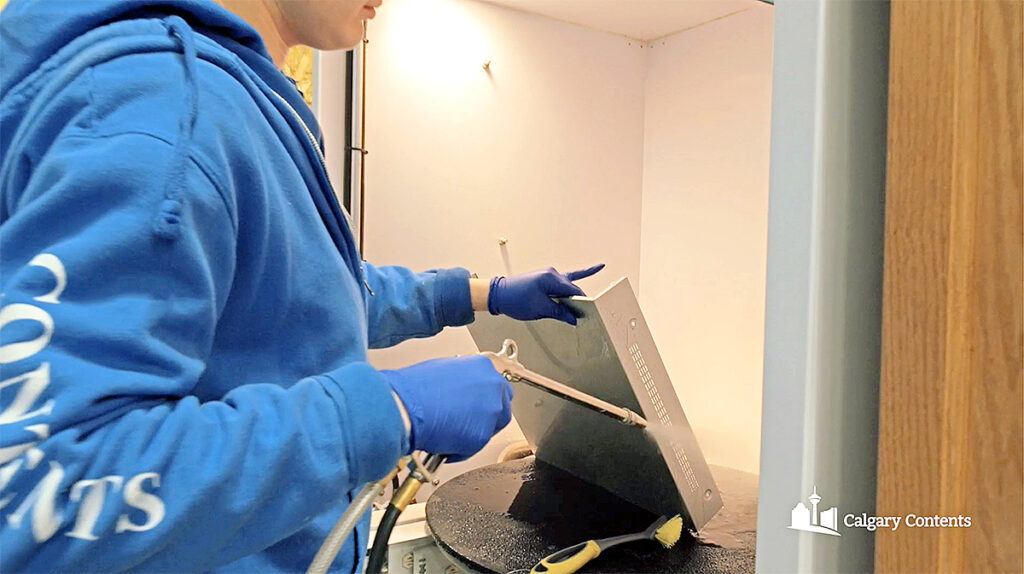
With proper contents restoration, many household items can often be saved, including:
- Clothing and textiles
- Area rugs and drapery
- Upholstered furniture
- Wood furniture (depending on exposure)
- Dishes and non-porous household goods
- Artwork and framed items
- Documents and photographs (when treated quickly)
- Electronics (case-by-case assessment)
Each item is evaluated individually — restoration is never one-size-fits-all.
Why Timing Matters in Contents Restoration
The first 24–72 hours after water damage are critical.
Delays can lead to:
- Permanent staining
- Fibre breakdown
- Mould growth
- Persistent odours
- Reduced insurance recovery options
Early professional involvement allows:
- Immediate pack-out when necessary
- Controlled drying in specialized facilities
- Accurate documentation for insurance
- Reduced long-term loss
How Professional Decontamination and Deodorization Works
Effective contents restoration goes beyond drying.
Decontamination includes:
- Cleaning to remove bacteria and contaminants
- Safe antimicrobial treatments where appropriate
- Preventing cross-contamination between items
Deodorization includes:
- Odour-neutralizing agents
- Controlled air movement and filtration
- Specialized treatments for porous materials
This combination ensures items are not only dry — but safe to return to your home.
When Belongings Cannot Be Safely Restored
Some situations limit restoration potential, including:
- Sewage-contaminated water exposure
- Prolonged saturation with heavy mould growth
- Structural breakdown of materials
- Items posing health risks even after cleaning
In these cases, replacement may be the safest and most responsible option — and proper documentation supports your insurance claim.
How Calgary Contents Helps Save What Matters Most

At Calgary Contents, we understand that belongings are not just objects — they represent memories, milestones, and daily life.
Our contents restoration process includes:
- Compassionate on-site assessment
- Detailed inventory and documentation
- Careful pack-out and secure transport
- Professional cleaning, deodorization, and decontamination
- Climate-controlled storage
- Organized pack-back once your home is ready
Our goal is simple: restore as much as safely possible while protecting your health and peace of mind.
Checklist: What to Do While Waiting for Help
- Stop the water source if safe
- Avoid stacking wet items together
- Do not place items in sealed bags while wet
- Separate clean and affected belongings
- Avoid heat sources for drying
- Document damage with photos
- Contact a professional contents restoration provider promptly